

You’ve envisioned a stunning home theater, but your living room isn’t a dedicated cave. Daylight streams in, or you crave a massive screen for epic movie nights. The secret weapon? Lumen output. This guide is for home cinema enthusiasts and gamers who want a projector bright enough to combat ambient light and deliver a vivid, large-scale picture, all without exceeding a specific budget.
We have assessed six leading projectors known for their high brightness and performance in this price category. From advanced laser technology to versatile setups, these models prove you can get exceptional, luminous image quality for your entertainment space. For related options, consider our guide on the best projectors under $2000 with 4K resolution.
| Pick | Product | AI Score | Buy |
|---|---|---|---|
| Prime |
 Epson Home Cinema 3800 4K PRO-UHD 3-Chip 3LCD
|
9.6/10 | Buy on Amazon |
| -20% OFF |
 Hisense C2 Ultra Triple Laser 4K UHD
|
9.6/10 | Buy on Amazon |
 XGIMI HORIZON 20 Pro 4K RGB Triple Laser
|
9.5/10 | Buy on Amazon | |
| -13% OFF |
 ViewSonic LS901-4K 4K UHD Laser Projector
|
9.5/10 | Buy on Amazon |
| -11% OFF |
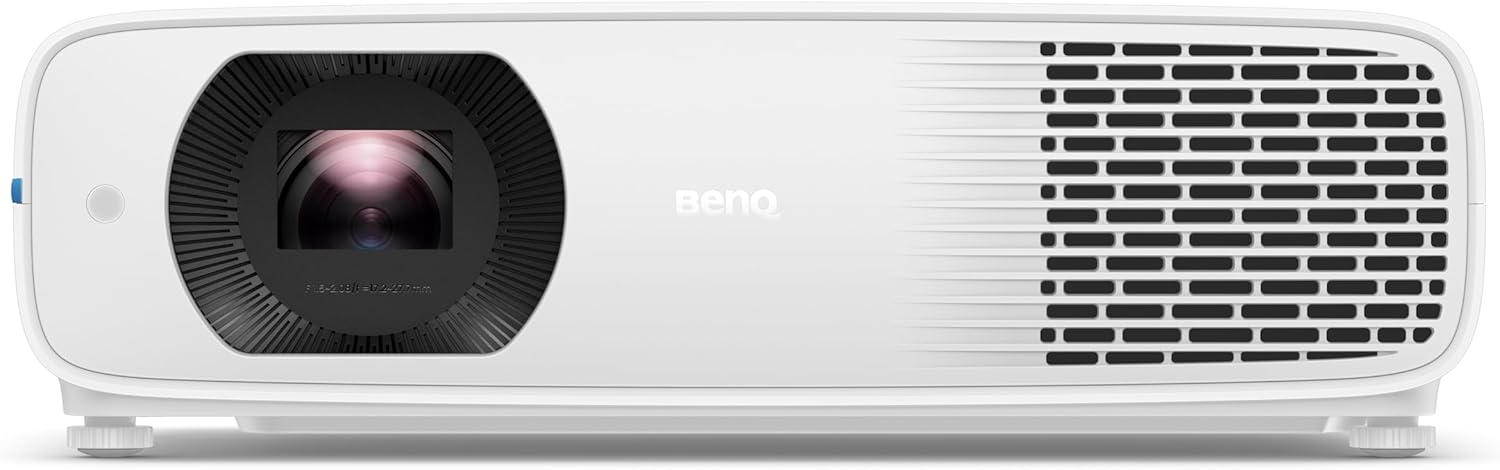 BenQ LH750 1080P Full HD Business LED Projector
|
8.7/10 | Buy on Amazon |
| -1% OFF Prime |
XGIMI HORIZON 20 Pro 4K RGB Triple Laser
|
N/A | Buy on Amazon |
Pros
- Matched 3,000-lumen color and white brightness is class-leading for a 3LCD projector in this price range
- True 3-chip design ensures consistent, accurate color without the rainbow effect common in single-chip DLP projectors
- HDMI 2.0 at 18 Gbps supports 4K HDR at 60Hz, making it future-proof for next-gen gaming and streaming
- Full 10-bit HDR and HLG support faithfully handles a wide range of modern content formats
- Flexible lens shift and precision glass optics simplify installation and deliver sharp focus across the entire image
Cons
- The 100,000:1 contrast ratio, while respectable, falls short of higher-end Epson models that reach 1,000,000:1, which may affect deep black performance in dark room setups
- 4K PRO-UHD uses pixel-shifting rather than a native 4K panel, so pixel-peepers may notice a difference compared to true native 4K projectors
- At this price point, buyers should budget separately for a quality screen and audio system to fully realize the projector's capabilities
The Epson Home Cinema 3800 is a premium home theater projector aimed at enthusiasts who want a large-screen 4K HDR experience without stepping into the ultra-high-end projector market. It is well-suited for dedicated media rooms, living room setups, and serious 4K gamers who demand accurate color and smooth motion from a big-screen display.
The standout feature of the 3800 is its true 3-chip 3LCD design, which processes 100% of the RGB color signal simultaneously on three separate LCD panels. This approach eliminates the rainbow effect associated with single-chip DLP projectors and ensures that color brightness matches white brightness at a full 3,000 lumens, a specification that many competing projectors fail to achieve. Combined with full 10-bit HDR and HLG support, the image quality in HDR content is detailed, vibrant, and faithful to the source material.
For gamers, the inclusion of full 18 Gbps HDMI 2.0 connectivity is a significant advantage, enabling 4K HDR input at a full 60Hz refresh rate from current-generation consoles and streaming sticks. The real-time 12-bit analog-to-digital video processing further smooths out tonal transitions and reduces compression artifacts, resulting in a clean and cinematic picture. The Epson Precision Lens adds edge-to-edge focus clarity and offers both vertical and horizontal lens shift for flexible room placement.
On the downside, the 3800 uses pixel-shifting technology rather than a native 4K imaging chip, which means the resolution enhancement is processed rather than true native 4K. The contrast ratio of 100,000:1 is solid for most viewing environments but is outclassed by pricier Epson models offering 1,000,000:1 contrast, which could matter in a fully darkened dedicated theater room. The built-in 10W speakers and aptX Bluetooth are convenient for casual use, but a dedicated sound system is recommended to match the visual performance.
Overall, the Epson Home Cinema 3800 delivers an impressive combination of brightness, color accuracy, HDR performance, and gaming readiness in a single package. It is a compelling choice for buyers who want a versatile, high-performance 4K projector that excels across movies, sports, and gaming without the complexity of a full commercial-grade installation.
Resolution: 4K PRO-UHD with pixel-shifting technology across three high-definition LCD chips for enhanced detail and clarity.
Brightness: 3,000 lumens color brightness and 3,000 lumens white brightness, providing a bright and consistent image across various room conditions.
Contrast Ratio: Up to 100,000:1 for rich black detail and strong shadow performance in most home theater environments.
HDR Support: Full 10-bit HDR processing with HLG support, accepting 100% of the HDR source signal for accurate highlight and shadow reproduction.
Connectivity: HDMI 2.0 at 18 Gbps supporting 4K HDR at 60Hz, compatible with virtually all color formats, depths, and color spaces from modern source devices.
Audio: Dual rear-firing 10W stereo speakers with aptX Bluetooth for wireless connection to external sound systems.
3D Support: Active 3D compatible with high-performance active 3D glasses for an immersive 3D viewing experience.
Optics: Epson Precision Lens with multi-element glass construction, offering precision vertical and horizontal lens shift adjustment for flexible installation.
If you are considering the Epson Home Cinema 3800, the most important question is whether your room environment suits a projector setup. Projectors perform best in rooms where ambient light can be controlled, and while the 3800's 3,000-lumen output handles moderate light well, a dedicated darkened room will deliver the most impressive results.
For 4K gaming, this projector is one of the better options in its class thanks to HDMI 2.0 support at 18 Gbps, enabling 4K HDR at 60fps. If you own a current-generation console or a high-end streaming device, you will be able to take full advantage of the projector's capabilities without any signal bottlenecks.
Buyers should also consider screen size and throw distance. The 3800 is designed for large-screen home theater use, typically projecting images from 100 to 150 inches diagonally. Make sure to calculate the throw ratio for your specific room dimensions before purchasing, and consider investing in a dedicated projection screen for the best image quality.
If deep blacks and ultra-high contrast are your top priority, it may be worth considering a step-up Epson model with a higher contrast ratio. However, for most buyers watching content in a typical living room or media room, the 100,000:1 contrast ratio of the 3800 will be more than sufficient and will be hard to distinguish from higher-spec models in real-world conditions.
Finally, while the built-in speakers are a convenient bonus, pairing this projector with a soundbar or a full surround sound system will transform the experience. Budget for audio alongside the projector to get the most out of your home theater investment.
Pros
- Exceptional brightness and color accuracy praised across multiple verified reviews
- Versatile placement with 360 degree rotation and strong all-metal build quality
- Smooth 4K upscaling and 240Hz support make it great for both movies and gaming
- Auto focus and keystone correction simplify setup
- Strong built-in audio reduces need for a separate sound system
Cons
- Only a 1 year warranty compared to some competitors offering 3 years
- Requires more throw distance than some smaller projectors, which may limit setups in tight spaces
- Some users note black levels can weaken in daylight conditions
The Hisense C2 Ultra is a 4K triple-laser smart projector designed for home theater fans and gamers who want a big-screen experience without a permanent installation. With support for Dolby Vision, IMAX Enhanced, and up to 300 inch projection, it's built for those who take picture quality seriously.
In real-world use, reviewers consistently highlight the projector's brightness and color precision. The 3000 ANSI lumen output combined with the triple laser light source produces vivid, true-to-life images even in moderately lit rooms, while HDR content and dark scenes retain strong detail thanks to the 2000:1 contrast ratio.
Build quality is solid, with an all-metal body and a flexible angle adjuster offering 360 degree rotation plus wide vertical tilt, making it easy to mount on a wall, ceiling, or simply place on a table. Setup is aided by auto focus and keystone correction, which reviewers describe as fast and reliable.
The main tradeoffs are a shorter one year warranty compared to some premium competitors, a throw distance that may not suit very small rooms, and slightly reduced black levels in daylight. Gamers will appreciate the 240Hz refresh rate and Designed for Xbox optimization for smooth, low-latency play.
Overall, the C2 Ultra delivers a genuinely premium projection experience with excellent brightness, color, and gaming performance. It's a strong choice for anyone wanting a portable, high-end home cinema and gaming projector, provided they have adequate room for throw distance.
Pros
- Bright enough to replace a TV for daytime viewing
- Excellent color and contrast performance praised by cinema enthusiasts
- Strong gaming features including 240Hz and low input lag
- Flexible placement thanks to lens shift, zoom, and obstacle avoidance
- Premium built-in audio from Harman Kardon
Cons
- Auto keystone correction can be unreliable, requiring manual adjustment
- Some users report software bugs, including HDMI ARC audio dropouts and streaming quality restrictions
- Triple laser rainbow effect may be noticeable to sensitive eyes, especially in menus
The XGIMI HORIZON 20 Pro is a 4K RGB triple laser projector aimed at home theater enthusiasts and gamers who want a big-screen experience without sacrificing daytime usability. With 4100 ISO lumens of brightness, it stands out as one of the few projectors capable of holding its own against ambient light, making it a genuine TV replacement for many living rooms.
Where this projector really shines is color and contrast. The X-Master RGB triple laser engine combined with a 20,000:1 contrast ratio produces vibrant, lifelike visuals that reviewers describe as spectacular, even those who consider themselves longtime projector purists. Gamers will also appreciate the 240Hz refresh rate, 1ms response time, and support for VRR and ALLM, which together create a fluid, low-latency experience suited for fast-paced titles.
Build quality and setup flexibility are strong points as well. Flexible lens shift and optical zoom allow the projector to be placed off-center or at odd angles while still producing a clean, distortion-free image, and several users mention successfully hiding the unit in creative spots without compromising picture quality.
That said, the experience isn't flawless. The automatic keystone correction has been reported as unreliable, and the built-in Google TV software has drawn criticism for HDMI ARC audio dropouts and inconsistent streaming quality with certain services. A small percentage of viewers may also notice a rainbow effect from the laser system, particularly in menus, though most say it fades from notice once content starts playing.
Overall, the HORIZON 20 Pro delivers premium image quality, strong gaming performance, and real daytime usability that few projectors in this class can match. It's a compelling choice for movie lovers and gamers willing to work through some initial software quirks in exchange for a genuinely cinematic experience at home.
The HORIZON 20 Pro features native 4K UHD resolution (3840 x 2160) powered by DLP display technology and the MT9679 chipset with 4GB of RAM for smooth navigation and app performance.
Brightness is rated at 4100 ISO lumens with a 20,000:1 contrast ratio, supported by HDR10+, Dolby Vision, and IMAX Enhanced certification for a wide range of premium content formats.
Throw distance ranges from 1.06 to 5.31 meters, supporting image sizes from 40 to 300 inches, with 15cm of vertical keystone correction and flexible lens shift for versatile placement options.
Connectivity includes Bluetooth, HDMI, USB, and Wi-Fi, while built-in Harman Kardon speakers and Google TV integration round out a complete smart home theater package backed by a 2-year warranty.
Pros
- Exceptional brightness that holds up well in normal room lighting
- Low input lag and high refresh rate ideal for gaming
- Sharp 4K image quality with strong HDR performance
- Flexible setup options including 360-degree projection and ceiling mount compatibility
- Strong value compared to pricier competitors in similar performance tiers
Cons
- Limited third-party reviews and testing data available online
- Requires more effort to set up and calibrate than plug-and-play projectors
- Color accuracy dips slightly when using the brightest picture mode
The ViewSonic LS901-4K is a 4K UHD laser projector aimed at home theater enthusiasts, gamers, and even golf simulator setups that need serious brightness and clarity. With 5,500 ANSI lumens, it's designed to perform well in larger rooms or spaces with some ambient light, making it more versatile than typical home theater projectors that require full darkness.
Performance-wise, the standout features are its 240Hz refresh rate and 4.2ms input lag, which reviewers confirm translate into smooth, responsive visuals for fast-paced gaming. The native 21:9 aspect ratio and HDR/HLG support also give movies a distinctly cinematic feel, with one reviewer comparing its image quality favorably to a $3,500 Epson model.
Setup flexibility is another strong point, thanks to 1.7x optical zoom, horizontal and vertical keystone correction, and support for 360-degree projection. This makes it easier to fit into rooms with unconventional layouts, and its compatibility with ViewSonic's ceiling mount adds to its installation versatility.
On the downside, buyers note that calibration takes more effort than simpler projectors, and the brightest picture mode sacrifices some color accuracy for maximum lumens. Independent testing and long-term reliability data are also still fairly limited online, which may give cautious buyers pause.
Overall, the LS901-4K earns its reputation as a high-value pick for anyone wanting a bright, 4K-capable laser projector that can double as a gaming display or golf simulator screen. It's best suited to users willing to spend a bit more time dialing in settings in exchange for excellent brightness, low lag, and long-term laser reliability.
Pros
- High rated brightness for daytime and well-lit room use
- Long-life laser light source reduces upkeep
- Flexible installation with zoom and lens shift
- Strong connectivity options for business environments
- Backed by a 3-year warranty
Cons
- One customer reported the projector was not bright enough in practice
- Low overall review count makes real-world reliability hard to confirm
- Premium price point compared to entry-level business projectors
The BenQ LH750 is a 1080P business and education projector built around a 5000-lumen light source, positioning it for use in conference rooms, training centers, and classrooms where ambient light is common. It targets IT departments and facilities teams that need a projector capable of long-term, low-maintenance operation rather than a home theater unit.
On paper, the standout feature is the laser light engine rated for 30,000 hours, which should minimize bulb swaps and service calls over the projector's lifespan. Full HD resolution, a 1.6x zoom lens, and vertical lens shift add practical flexibility for mounting in different room shapes, while HDMI and LAN control support integration into existing AV setups. However, one verified customer review notes the image wasn't bright enough unless the room lights were dimmed, which raises questions about whether the 5000-lumen rating translates fully to real-world brightness.
Build-wise, the LH750 is a fairly compact desktop unit at just over 13 pounds, with a straightforward white housing typical of enterprise projectors. It includes a built-in speaker and remote control, so it can function as a standalone presentation tool without extra AV gear.
The main drawback right now is the thin review history, only three ratings with a 2.8-star average, which makes it difficult to fully validate BenQ's brightness and reliability claims. Buyers in very bright rooms should manage expectations based on the one available user report.
Overall, the LH750 offers a compelling feature set on paper, laser durability, flexible installation, and solid connectivity, making it a reasonable pick for offices and schools prioritizing low upkeep. Just be aware that actual brightness performance may vary from the spec sheet, so it's worth confirming return policies before committing.
Native resolution is 1920 x 1080 (Full HD), with DLP display technology and a contrast ratio rated at 500,000:1 for deep blacks and clear detail in presentations.
Throw distance ranges from 4 to 8.2 feet, supporting a fixed image size of 150 inches, which suits most standard meeting rooms and classrooms without needing a long-throw setup.
Connectivity includes HDMI and LAN control, and the unit supports 3D and HDR10 content alongside dedicated Infographic, Presentation, and Vivid picture modes for different use cases.
The projector weighs 13.2 pounds and measures 16.54 x 11.29 x 5.19 inches, making it a manageable tabletop unit backed by a 3-year manufacturer's warranty.
Pros
- Exceptional brightness and contrast for a home projector
- True 4K native resolution with premium color science from triple laser tech
- Gaming-friendly specs with low latency and high refresh rate
- Flexible optics reduce the need for precise mounting
- Integrated Google TV eliminates the need for external streaming devices
Cons
- Premium price point puts it well above entry-level and mid-range projectors
- No user reviews yet, so real-world reliability and long-term performance are unproven
- Large 300-inch display size requires a spacious, light-controlled room to fully appreciate
The XGIMI HORIZON 20 Pro is a flagship-tier 4K home projector aimed at serious home theater builders and gamers who want a premium, all-in-one entertainment hub. With its RGB triple laser light source and Google TV integration, it targets users who want cinema-quality visuals without stringing together multiple streaming devices.
The standout feature here is the X-Master RGB triple laser engine, which combines 4100 ISO lumens of brightness with a 20,000:1 contrast ratio. This combination should produce vivid colors and deep blacks whether you're watching in a dark room or one with ambient light. Gamers also get real benefits: 1ms response time, 240Hz refresh rate, VRR, and ALLM support mean fast-paced titles should feel responsive and fluid on the big screen.
Setup flexibility is another strong point. The optical zoom and lens shift give installers room to work with different throw distances and angles while keeping the image sharp and distortion-free, which is often a pain point with cheaper projectors. The MT9679 chipset and 4GB of RAM should keep the Google TV interface snappy, avoiding the sluggish app loading that plagues budget smart projectors.
On the downside, this is a premium-priced unit, and with zero reviews so far, buyers are taking an early-adopter risk on long-term durability and firmware support. Also, to truly exploit the 300-inch max display size and IMAX Enhanced/Dolby Vision certification, you'll need a large, controllable-light room, which not every household has.
Overall, the HORIZON 20 Pro looks like a strong choice for enthusiasts who want a genuinely cinematic, high-performance projector with modern smart features baked in. If you have the budget and the room to match its capabilities, it should reward you with best-in-class picture quality and gaming responsiveness.
The HORIZON 20 Pro features a native 4K resolution of 3840 x 2160 pixels, paired with 4100 ISO lumens of brightness and a 20,000:1 contrast ratio for sharp, vibrant imagery.
It supports a maximum image size of 300 inches, making it suitable for large home theater setups, and includes 15 centimeters of vertical keystone correction plus optical zoom and lens shift for flexible placement.
Connectivity includes HDMI and USB ports, with compatibility across gaming consoles, laptops, smartphones, tablets, and televisions. It's powered by the MT9679 chipset with 4GB of RAM and runs Google TV with built-in Google Home voice control.
Picture quality is enhanced through IMAX Enhanced and Dolby Vision certification, and the unit's portable tabletop form factor makes it easy to move between rooms.
How to Choose a High Lumen Projector
Understanding Brightness: ANSI vs. ISO Lumens
Lumen ratings indicate a projector’s light output, but the measurement standard matters. ANSI lumens are a long-established, industry-standard metric. ISO lumens are a newer standard designed for consistency. While not directly comparable, both give you a reliable gauge of brightness. For rooms with ambient light, aim for higher numbers, typically 3,000 lumens or more, for a vibrant image.
This ensures colors pop and details remain clear even when you cannot achieve total darkness. It transforms your projector from a night-only device into a versatile daytime entertainment center. For projectors that excel in other premium features, explore our list of the best models under $2000 with Dolby Vision.
Light Source Technology: Laser, LED, and Lamp
The light source defines longevity, color performance, and maintenance. Traditional lamp-based projectors, like the Epson model, offer excellent color brightness but have a finite lifespan. Laser light sources, as seen in the Hisense and XGIMI models, provide exceptional longevity, often exceeding 20,000 hours, with instant on/off capability and consistent brightness over time.
LED projectors, like the BenQ option, also offer long life and energy efficiency. Laser and LED technologies typically deliver wider color gamuts and eliminate the need for bulb replacements, making them a compelling choice for long-term value and hassle-free operation in a bright home theater.
Resolution and Image Processing for Clarity
<!–Brightness must be paired with sharpness. Native 4K UHD resolution delivers the highest detail, perfect for large screens. Many projectors also feature sophisticated upscaling engines that enhance 1080p and lower-resolution content to near-4K quality. This is crucial because most streaming content is not native 4K.
Look for support for HDR10 and HLG, which expand dynamic range for more realistic highlights and shadows. Combined with high lumen output, these features ensure your bright image is also a detailed and nuanced one, whether you are watching a classic film or a nature documentary. You can find more options with this feature in our review of the best projectors under $2000 with HDR.
Setup Flexibility and Smart Features
Your room layout dictates your needs. Key features like optical zoom, lens shift, and keystone correction are vital for flexible placement without degrading image quality. Optical zoom lets you adjust image size without moving the projector, while lens shift physically moves the image without digital manipulation.
Integrated smart platforms, such as Google TV, provide direct access to streaming apps, turning your projector into an all-in-one entertainment hub. This eliminates the need for external devices and simplifies your setup, letting you focus on enjoying a bright, big-screen experience right out of the box. For models with excellent built-in connectivity, see our guide on the best projectors under $2000 with wireless connectivity.
Final Thoughts
Selecting a high lumen projector under $2000 opens up a world of vibrant, large-screen viewing even in less-than-ideal lighting. For the ultimate in bright, cinematic color with advanced laser technology and premium certifications, the Hisense C2 Ultra, Triple Laser Smart is a standout choice. If your priority is unmatched pure brightness for the largest possible image in challenging environments, the exceptionally luminous ViewSonic LS901-4K 5500 Lumens 4K Laser Projector delivers formidable performance. We hope this guide helps you bring a brilliantly clear picture home.
Frequently Asked Questions
How many lumens do I need for a projector in a living room with some light?
For a room with normal ambient light from windows or lamps, a projector with 3,000 ANSI/ISO lumens or higher is recommended. This brightness level helps maintain a vibrant, watchable image without requiring total darkness. Models in this guide, like the XGIMI HORIZON 20 Pro, are specifically designed for such environments.
Is a laser projector better than a lamp projector?
Laser projectors generally offer longer lifespans (often 20,000+ hours), maintain consistent brightness over time, and turn on/off instantly. They are typically more expensive upfront but can offer lower long-term cost. Lamp projectors have a lower initial cost but require periodic bulb replacements. The choice depends on your usage patterns and budget priorities for 2026.
Can I use a high brightness projector for gaming?
Absolutely. Many high lumen projectors now include gaming-focused features. Look for low input lag (under 20ms is good), high refresh rates (120Hz or 240Hz), and support for VRR (Variable Refresh Rate). The XGIMI HORIZON 20 Pro, for example, offers a 1ms response time and 240Hz refresh rate, making it suitable for fast-paced gaming on a giant screen.
What is the difference between contrast ratio and brightness?
Brightness (lumens) determines how much light the projector outputs, affecting visibility in lit rooms. Contrast ratio is the difference between the brightest white and the darkest black a projector can display, affecting image depth and shadow detail. A good projector needs both: high brightness to fight ambient light and a high contrast ratio for cinematic depth. For more technical comparisons, browse our parent category, Best Projectors by Budget.


Write Your Review
No reviews yet. Be the first to share your experience!