

Creating a realistic golf simulator requires more than just software and a hitting mat. The visual centerpiece is a high-end projector capable of delivering a bright, sharp, and responsive image of the virtual fairway. You need a display that can handle ambient light in a garage or basement, provide a large enough screen for a full swing, and offer minimal lag to match your real-time shot data. This guide focuses on premium projectors that excel in these specific demands, blending home theater quality with golf simulation readiness.
We have assessed a curated selection of models known for their high brightness, 4K clarity, and features beneficial for simulator use, such as short-throw designs and specialized golf modes. Whether you are building a dedicated sim room or a versatile entertainment space, our review will help you identify the ideal projector to bring world-class courses into your home.
| Pick | Product | AI Score | Buy |
|---|---|---|---|
| Prime |
 XIWBSY Google TV Smart Projector 4K Support
|
9.7/10 | Buy on Amazon |
| -20% OFF |
 JMGO N1S 4K Triple Laser Projector with Google TV
|
9.5/10 | Buy on Amazon |
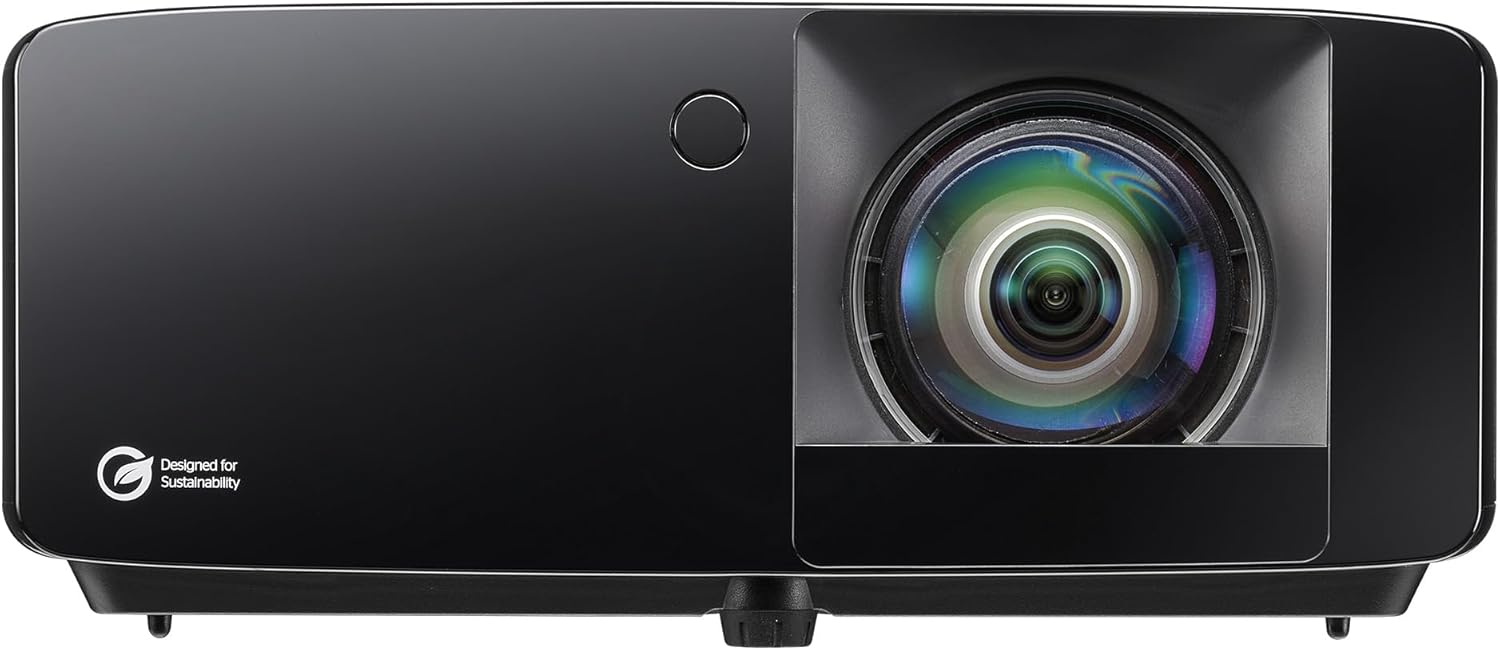 Optoma GT2400HDR Short Throw Laser Projector
|
9.6/10 | Buy on Amazon | |
| -5% OFF |
 CWEUG 4K Daytime Projector 2400 ANSI Lumens
|
9.7/10 | Buy on Amazon |
| -9% OFF |
 ViewSonic LS740HD 5500 Lumen 1080P Full HD Laser
|
9.9/10 | Buy on Amazon |
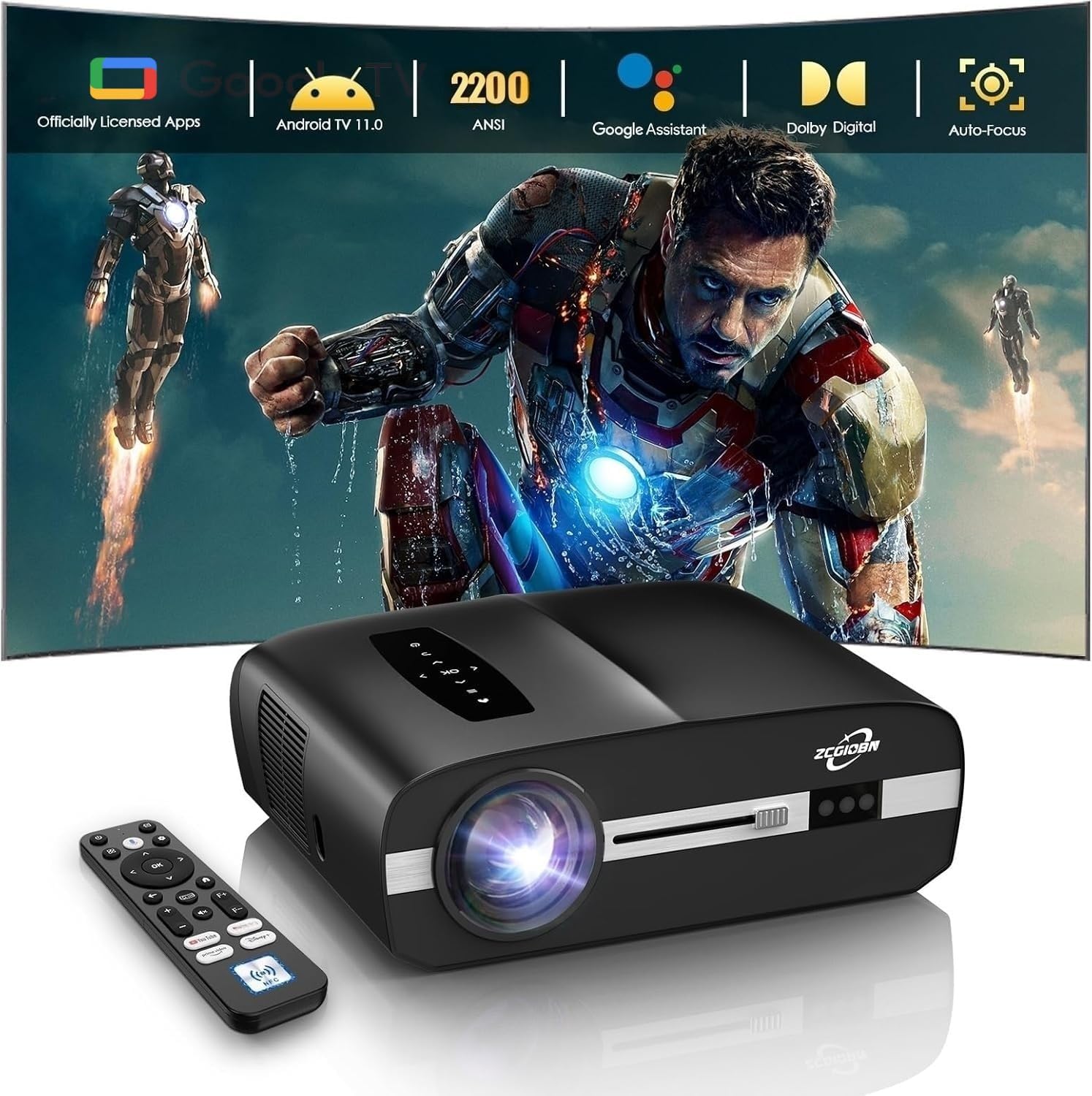 ZCGIOBN 4K Projector for Golf Simulator & Home
|
9.9/10 | Buy on Amazon | |
| -25% OFF |
 ViewSonic LX700-4K Laser Projector - 3500 Lumens
|
9.8/10 | Buy on Amazon |
|
Optoma GT3900UHD True 4K UHD Short Throw Laser
|
9.8/10 | Buy on Amazon |
Pros
- Native Google TV interface with official app support and fast app launch speeds
- Convenient autofocus and auto keystone correction simplify setup for non-technical users
- Flexible mounting options including ceiling, wall, floor, and tripod
- Voice control and Wi-Fi 6/Bluetooth add modern smart-home convenience
- Stylish fabric top cover improves aesthetics and reduces fingerprint smudging
Cons
- Marketing lists both 2000 ANSI lumens and an implausible 40,000 lumen figure, so real brightness is likely closer to the 2000 ANSI spec
- Native resolution is 1080P; 4K content is only supported via downscaling, not true 4K display
- No professional reviews or ratings history yet to verify long-term reliability
The XIWBSY T08 PRO is a budget-friendly smart projector built around Google TV, aimed at casual home theater fans, families, and anyone who wants streaming apps built directly into their projector. It's a solid fit for bedroom movie nights, backyard cinema setups, and light gaming sessions rather than professional or high-brightness environments.
Where this projector stands out is convenience. Autofocus, auto keystone correction, and auto screen fit mean you can get a usable image in seconds instead of fiddling with manual dials, and voice control through the remote adds a nice hands-free touch for opening apps or adjusting volume. The 360° rotatable, foldable stand is genuinely useful for switching between wall, ceiling, or angled projection depending on the room.
Build quality gets a small but noticeable upgrade with the woven fabric top cover, which looks more premium than the glossy plastic shells common on similar-priced projectors, and it also helps cut down glare and fingerprints. The dual 10W speakers are a welcome inclusion, meaning you won't necessarily need external audio for basic viewing.
The main drawback is the brightness and resolution claims. The listing bounces between a 2000 ANSI lumen spec and an unrealistic 40,000 lumen figure, and while it supports 4K input, the native panel resolution is 1080P, so expect solid HD image quality rather than true 4K detail. Buyers should also note there's no review history yet to confirm long-term durability.
Overall, this projector makes sense for anyone wanting an easy-to-use, app-ready projector for casual home entertainment at a reasonable price, but those chasing true native 4K resolution or verified ultra-high brightness should look elsewhere.
The XIWBSY T08 PRO features a native resolution of 1920x1080 with support for 4K input up to 4096x2160, backed by a 20,000:1 contrast ratio and a rated brightness of 2000 ANSI lumens.
Connectivity includes Wi-Fi 6, Bluetooth, HDMI with ARC/CEC, and USB, along with Google Cast for wireless screen mirroring from phones, tablets, and laptops.
It supports throw distances from 4.6 to 23 feet, producing image sizes between 40 and 250 inches, and includes a 100% to 50% zoom range for flexible placement.
The unit ships with a power cord, HDMI cable, remote control, lens cap, user manual, adjustment wrench, and the detachable 360° rotatable bracket, backed by a 1-year warranty.
Pros
- Exceptional color performance with triple laser technology eliminates rainbow artifacts seen in hybrid projectors
- Integrated Google TV with official Netflix access provides seamless entertainment without additional hardware
- Intelligent gimbal and auto focus system makes setup intuitive and adjustments effortless
- Lightweight and portable design with carrying case allows easy relocation or travel use
- Strong brightness at 1700 lumens performs well even in partially lit rooms
Cons
- Premium pricing reflects the advanced laser technology but may exceed budgets for casual users
- Requires active 3D glasses for 3D content viewing, which are sold separately
- May need color temperature calibration out of the box for optimal color accuracy
The JMGO N1S is a premium 4K laser projector designed for home cinema enthusiasts and serious entertainment seekers who want a high-end viewing experience without the complexity of traditional projection setups. This all-in-one device combines advanced laser technology with integrated Google TV, making it a complete entertainment solution for movies, streaming, gaming, and business presentations.
What sets the N1S apart is its pure RGB triple laser engine, which delivers industry-leading color accuracy with 110% BT.2020 coverage and eliminates the rainbow effect common in hybrid laser projectors. The 1700 ISO lumens brightness ensures stunning visuals even in partially lit rooms, while HDR10 support and 1.07 billion colors create vivid, detailed images. The gimbal auto focus system with 127-degree vertical rotation is a game-changer, allowing one-handed adjustments without brackets or mounts, whether projecting onto walls, ceilings, or outdoors.
The compact, portable design weighing just 4.4lbs makes this projector surprisingly versatile for a device of its caliber. Built-in Google TV with official Netflix access, 10,000+ apps, and hands-free Google Assistant control eliminate the need for external streaming devices or complicated setups. The dual 10W Dolby Audio speakers deliver solid surround sound, though serious audiophiles may prefer external speakers. Gaming performance is impressive thanks to HDMI 2.1, 17ms latency, and motion compensation technology.
Potential drawbacks include the premium price point, which reflects the advanced technology but may challenge budget-conscious buyers. Active 3D glasses are required for 3D content and sold separately. Some users report needing color temperature calibration adjustments out of the box, though the manufacturer provides a troubleshooting guide and 24/7 support to address this quickly.
The JMGO N1S represents a significant investment in home entertainment that delivers exceptional value for those prioritizing image quality, convenience, and portability. It's the ideal choice for cinephiles, gamers, and professionals who demand premium performance without compromise.
Display Technology: 4K UHD resolution with HDR10 support and 200-inch projection capability
Light Source: MALC 3.0 pure RGB triple laser technology, 1700 ISO lumens brightness
Color Performance: 110% BT.2020, 151% DCI-P3 color coverage, 1.07 billion colors
Smart Features: Built-in Google TV OS, official Netflix integration, 10,000+ apps, Google Assistant voice control, Google Cast wireless streaming
Connectivity: HDMI 2.1, Wi-Fi 6, ultra-low 17ms latency for gaming
Audio: Dual 10W Dolby Audio speakers with 360-degree surround sound
Design: Portable at 4.4lbs, gimbal auto focus with 127-degree vertical rotation, integrated keystone correction, includes EPP carrying case
Additional Features: Blu-ray 3D support, MEMC motion compensation, FlexiSmart Adaptive System 2.0 eye protection, MT9629 chipset
Who Should Buy This? The N1S is perfect for home cinema enthusiasts, gamers seeking low-latency performance, business professionals needing portable presentation tools, and anyone wanting an all-in-one entertainment system without external streaming devices.
Setup Considerations: The gimbal auto focus system makes placement flexible, but ensure you have a clean projection surface (wall, ceiling, or screen). The integrated keystone correction handles tilted projections, though adjusting keystone before focus delivers the sharpest images. Allow time for color calibration if needed using the provided troubleshooting guide.
Content and Performance: This projector excels with 4K streaming content, gaming, movies, and sports thanks to its brightness and motion compensation. Google TV provides immediate access to Netflix, YouTube, Hulu, and 800+ free channels without additional hardware. The dual Dolby speakers provide adequate audio for casual viewing but may benefit from external speakers for serious home theater setups.
Maintenance and Support: The manufacturer offers 24/7 customer support and provides detailed troubleshooting guides for common issues like color tinting. Regular cleaning of the lens and ventilation areas will maintain optimal performance. The portable design makes this suitable for travel, though the included carrying case should be used for protection during transport.
Value Assessment: While premium-priced, the N1S combines high-end laser technology, integrated smart TV functionality, and portability in one device, potentially saving money compared to purchasing a projector and separate streaming device separately. Consider this investment if image quality, convenience, and flexibility are your priorities.
Pros
- Excellent brightness for a short throw laser projector, usable with some ambient light
- Very low input lag makes it genuinely competitive for gaming, not just marketed as such
- Laser light source eliminates recurring lamp costs and offers instant on/off
- Compact footprint and short throw lens make placement easy in small rooms or golf sim bays
- Strong warranty coverage with 5-year or 12,000-hour light source protection
Cons
- Native resolution is 1080p, not true 4K, despite accepting 4K input signals
- Connectivity leans on HDMI and RCA, lacking newer wireless casting or smart platform integration
- At this price point, buyers expecting native 4K sharpness may be disappointed
The Optoma GT2400HDR is a short throw laser projector aimed at two very specific buyers: home theater fans working with limited space, and golf simulator enthusiasts who need a big, bright image from a short distance. Its 0.496:1 throw ratio lets it fill a large screen while sitting just a few feet away, making it a practical fit for garages, basements, and media rooms where a traditional long-throw projector wouldn't work.
Brightness is the standout spec here. At 4,200 ISO lumens, the GT2400HDR holds up better than most home projectors when there's some ambient light in the room, which matters for golf sims and daytime viewing. Gamers get a real functional benefit too, with an 8.4ms input lag at 1080p120Hz in Enhanced Gaming Mode, a number that competes with dedicated gaming monitors rather than typical projectors.
Build quality centers around Optoma's DuraCore laser light source, rated for 30,000 hours in eco mode. This translates to years of use without swapping lamps, plus instant on/off and consistent brightness over time. The compact desktop form factor, at just under 9.5 pounds, supports flexible tabletop, wall, or ceiling mounting.
The main tradeoff is resolution. While the projector accepts 4K HDR10 and HLG signals, its native panel is Full HD 1080p, so it's not delivering true 4K sharpness. Connectivity is also fairly basic, relying on dual HDMI and RCA rather than modern wireless streaming options, so users will likely pair it with an external streaming device.
Overall, the GT2400HDR earns its place as a specialized tool rather than an all-purpose projector. It's a smart buy for anyone prioritizing brightness, low latency gaming, and short throw flexibility, particularly golf sim builders and space-constrained home theater setups, but 4K purists may want to look elsewhere.
Pros
- Exceptional brightness for a home projector, with 2400 ANSI lumens enabling use in lit rooms and during daytime without washing out the image
- Truly all-in-one entertainment hub combining 4K projection, powerful audio, karaoke, and smart streaming in a single device
- Automatic lens cover, auto focus, and auto keystone make setup and daily use nearly effortless compared to manual-adjustment competitors
- WiFi 6 and 64GB storage provide fast, stable streaming and ample local storage for apps and media without relying on external dongles
- Versatile use cases from home cinema and gaming to outdoor movie nights and pool parties make it a strong value for active households
Cons
- At over $400, the price point is higher than entry-level projectors, which may be difficult to justify for casual or infrequent users
- With only 33 reviews at time of writing, long-term reliability and real-world durability data is still limited compared to more established brands
- The all-in-one karaoke and audio focus may add bulk and complexity that minimalist home theater buyers do not need
The CWEUG A9 is a 4K smart LED projector designed for buyers who want a single device to handle home cinema, gaming, karaoke parties, and outdoor movie nights. With 2400 ANSI lumens, built-in Dolby 2.1 audio, dual wireless microphones, and native streaming apps, it positions itself as a genuine all-in-one entertainment hub rather than a bare-bones projector.
The standout feature is its real-world brightness. The six-color light engine and 7-layer high-transmittance lens produce noticeably vivid images even in moderately lit rooms, which is a persistent weakness for most home projectors in this price range. Paired with HDR10+ frame-level decoding and AI MEMC motion smoothing, fast-moving content like sports and gaming looks sharp and fluid with minimal blur or tearing.
Setup is remarkably simple thanks to the 3D ToF sensor and CMOS camera module, which handle auto focus, keystone correction, and obstacle avoidance automatically. The 1.2:1 throw ratio means a 100-inch image is achievable from just over nine feet away, opening up smaller living rooms and bedrooms that would struggle with traditional projectors. The auto lens cover is a thoughtful touch that protects the optics without any manual effort.
On the downside, the karaoke and dual-speaker system add weight and complexity that pure cinephiles may not want or need. The relatively small review count also means buyers are taking some risk on long-term build quality, and the sealed optical engine, while dust-protected, limits user serviceability. The price is also firmly in mid-range territory, so budget shoppers will find cheaper alternatives.
Overall, the CWEUG A9 is a compelling choice for social, family-oriented households that want one projector to do everything well. If you regularly host movie nights, gaming sessions, or parties and want theater-quality sound without a separate soundbar, this projector delivers strong value. Those seeking a minimalist cinema-only setup may prefer a simpler, lighter option.
Brightness: 2400 ANSI lumens. Resolution: 4K with HDR10+ decoding. Throw Ratio: 1.2:1, delivering a 100-inch image at approximately 9.18 feet. Zoom Range: 40% to 100%, supporting screen sizes from 30 to 300 inches while maintaining 4K sharpness.
Audio: 2.1 channel Dolby Audio, dual 35W speakers, 630cc acoustic cavity, 55Hz low-frequency driver, HDMI eARC support. Connectivity: WiFi 6, Bluetooth 5.4, LAN, HDMI 2.1 ARC, USB ports. Storage: 64GB built-in. Smart Platform: Built-in Netflix, Prime Video, Disney+, and YouTube.
Calibration: 3D ToF sensor plus CMOS cameras for auto focus, auto keystone, and obstacle avoidance. Cooling: AI-controlled cooling with HEPA-filtered sealed optical engine. Rated Lifespan: Up to 100,000 hours. Karaoke: Dual wireless microphones with adjustable EQ, pitch, and reverb via built-in mixing console.
This projector is best suited for buyers who want versatility above all else. If your household regularly shifts between movie nights, gaming sessions, birthday parties, and backyard screenings, the CWEUG A9 eliminates the need for separate speakers, a karaoke machine, and a streaming stick, which meaningfully justifies the price.
For daytime use, 2400 ANSI lumens is genuinely usable in rooms with ambient light, but you will still get the best image quality with curtains drawn or in an evening setting. If your primary use case is a fully blacked-out dedicated home theater, a lamp-based or laser projector in the same price range might offer even higher contrast ratios.
Gamers should note the AI MEMC motion smoothing and HDMI 2.1 ARC support, which are meaningful upgrades for console and PC gaming. However, always verify current input lag specifications before purchasing if competitive gaming is a priority. The 1.2:1 throw ratio is a practical advantage for apartment and small-room setups where space is limited.
Pros
- Exceptional brightness at 5,500 lumens handles ambient light in classrooms, boardrooms, and large venues with ease
- Laser light source eliminates lamp replacement costs and hassle, making long-term ownership highly economical
- Flexible installation options including ceiling mount, 360-degree rotation, and optical zoom suit a wide range of environments
- Dedicated Golf Mode adds unique value for home simulator setups, setting it apart from standard commercial projectors
- Comprehensive connectivity with LAN control via Crestron, AMX, PJ Link, and Extron simplifies large-scale AV integration
Cons
- At over $1,000, the price point may be a stretch for casual home users who do not need commercial-grade brightness or durability
- The 1.1 to 1.5 throw ratio is not ultra-short throw, so smaller rooms may require careful placement planning
- Wireless casting requires a separately purchased ViewShare kit, which adds to the total cost of a fully wireless setup
The ViewSonic LS740HD is a Full HD 1080p laser projector designed primarily for professional and semi-professional environments such as classrooms, auditoriums, boardrooms, and large home theaters. With 5,500 ANSI lumens of brightness and a laser phosphor light source, it targets users who need reliable, high-quality projection without the ongoing cost of lamp replacements. It also appeals to home golf simulator enthusiasts thanks to its dedicated Golf Mode.
Performance is where the LS740HD truly shines. The 5,500-lumen output ensures images remain crisp and vivid even in rooms with significant ambient light, a common challenge in educational and corporate settings. The Texas Instruments 0.65-inch DMD chip delivers a high native contrast ratio, adding visual depth and legibility to presentations, videos, and simulations. DLP technology further ensures accurate color reproduction and eliminates the screen-door effect common in older projection systems.
Installation flexibility is a major strength of this projector. The 1.3x optical zoom, combined with horizontal and vertical keystone correction and 4-corner adjustment, makes it straightforward to achieve a perfectly shaped image in almost any room configuration. The 360-degree projection capability and portrait mode open up creative use cases like projection mapping and floor displays, making it a versatile tool for events and staging professionals.
On the downside, the price is firmly in the commercial tier, which may deter budget-conscious buyers. The throw ratio of 1.1 to 1.5 means it is not suited for very short projection distances, and users in compact spaces should measure carefully before purchasing. Wireless content sharing, while supported, requires an additional accessory purchase, which feels like an oversight at this price level.
Overall, the ViewSonic LS740HD is a well-rounded, high-performance laser projector that delivers exceptional value for commercial, educational, and enthusiast applications. Its combination of brightness, maintenance-free operation, installation flexibility, and unique Golf Mode make it one of the more compelling options in its class. For anyone needing a dependable large-venue or simulation projector, it is a highly recommended investment.
Resolution: Full HD 1920x1080p (1080p) native resolution for sharp, detailed imagery across all content types.
Brightness and Contrast: 5,500 ANSI lumens with a high native contrast ratio achieved through a Texas Instruments 0.65-inch DMD chip, ensuring deep blacks and bright whites simultaneously.
Light Source: 3rd-generation laser phosphor technology rated for up to 30,000 hours of use, delivering consistent brightness over its lifespan without lamp replacements.
Throw and Zoom: 1.1 to 1.5 throw ratio with 1.3x optical zoom and 0.8x to 2.0x digital zoom. Projects a 100-inch image from approximately 8.2 feet, with a maximum screen size of 300 inches.
Adjustment and Installation: Features H/V keystone correction, 4-corner adjustment, 360-degree projection, portrait mode, and ceiling mount compatibility. Compatible with ViewSonic mount PJ-WMK-007.
Connectivity and Control: Supports Crestron, AMX, PJ Link, ATEN, and Extron for centralized LAN control. USB firmware update support and optional ViewShare Wireless Screen Casting Kit compatibility.
Durability: IP6X-rated sealed filter-free design for dust resistance. Rated for 24/7 continuous commercial operation.
Who Should Buy the LS740HD? This projector is best suited for IT managers, AV integrators, educators, and serious home theater or golf simulator enthusiasts who need a high-brightness, low-maintenance solution. If you regularly present in large rooms with uncontrolled lighting, the 5,500-lumen output is a significant advantage over consumer-grade projectors.
Room Size and Throw Distance: Before purchasing, measure your available projection distance. The LS740HD requires roughly 8.2 feet to display a 100-inch image and up to about 12.3 feet for a 150-inch image. It is not an ultra-short-throw projector, so very small rooms may not be ideal. For large classrooms, conference rooms, or dedicated home theater spaces, it fits perfectly.
Golf Simulator Compatibility: If your primary use case is a home golf simulator, the LS740HD is one of the few projectors in its class with a dedicated Golf Mode that supports major simulator software platforms. Pair it with a quality impact screen and simulator software for a premium indoor golf experience.
Commercial and 24/7 Use: For businesses or institutions that need a projector running all day, the industrial-grade design and laser light source make the LS740HD a cost-effective long-term investment. The absence of consumable lamps reduces operational costs significantly over time.
Budget Consideration: At its price point, the LS740HD competes with other commercial laser projectors. If you only need occasional home use at moderate brightness, a lower-cost consumer projector may suffice. However, for demanding environments where reliability and brightness are non-negotiable, the LS740HD justifies its cost.
Pros
- Bright enough for daytime and semi-lit room viewing
- Fast, accurate autofocus and keystone correction simplify setup
- Smooth low-latency performance for golf simulators and gaming
- Strong built-in audio reduces need for external speakers
- Native Google TV interface with broad app and voice support
Cons
- Native resolution is 1080p with 4K content decoding rather than true 4K pixel output
- Some users report softer focus toward the edges of the screen
- Not ideal for text-heavy tasks like web browsing or office use
The ZCGIOBN 1000D is a smart projector aimed squarely at golf simulator enthusiasts, home theater users, and casual gamers who want a big screen without a complicated setup. With Google TV built in, HDMI 2.1 for PC and console connections, and flexible mounting options, it's designed to slot into garages, basements, or living rooms alike.
Its standout feature is brightness: 2200 ANSI lumens combined with 4K HDR10 decoding lets it hold up surprisingly well in rooms that aren't fully dark, which reviewers specifically praised for daytime streaming and garage golf sessions. The TOF sensor-based autofocus and auto keystone get the image aligned in seconds, and MEMC plus low-latency processing keeps fast-moving content like golf swings and games smooth and blur-free.
Build quality feels solid for the price, with a compact, sealed optical engine meant to resist dust in garage environments, and a premium-finish design that doesn't scream 'budget projector.' The 40W Dolby Audio speakers are strong enough that several reviewers said they skipped adding a soundbar entirely.
The main caveat is that the native resolution is 1080p, with 4K handled through decoding and scaling rather than true 4K pixel density, so fine detail and edge sharpness aren't flawless, especially for text or browsing. This is a home entertainment and simulator projector first, not a productivity display.
Overall, the ZCGIOBN 1000D delivers strong value for golf simulator builders and home theater users who prioritize brightness, easy setup, and smart features over ultra-fine 4K detail. It's a smart pick for garages, bedrooms, or living rooms where flexibility and quick installation matter most.
Pros
- Extremely low input lag and high refresh rate ideal for gaming
- Bright enough to use with some ambient light in the room
- Long-lasting laser light source with minimal maintenance
- Versatile mounting and adjustment options including 360-degree projection
- Strong warranty coverage with three years on parts and labor
Cons
- Higher price point compared to standard home theater projectors
- USB connectivity limited to USB-A 2.0, lacking newer USB-C options
- Gaming-focused feature set may be overkill for buyers wanting a pure cinema projector
The ViewSonic LX700-4K is a 4K laser projector purpose-built for gamers, developed in partnership with Microsoft as an officially "Designed for Xbox" device. It's aimed squarely at console and PC gamers who want a massive screen without giving up the responsiveness expected from a proper gaming display, while still doubling as a capable home theater unit.
Pros
- True 4K UHD resolution with HDR support for sharp, vibrant visuals
- Short throw lens saves space and suits golf simulator installations
- Bright 4,000 lumen output performs well in rooms with ambient light
- Low input lag and high refresh rate support make it gaming-friendly
- Laser light source eliminates the need for lamp replacements
Cons
- Premium price point compared to standard throw or lamp-based projectors
- Short throw lens placement requires precise setup for optimal image alignment
- No user reviews yet, so real-world reliability and performance feedback is limited
The Optoma GT3900UHD is a True 4K UHD laser projector designed specifically for golf simulators, home theaters, and gaming setups where space is limited. Its short throw lens allows it to sit close to the screen while still producing a large image, making it a practical choice for enthusiasts who want a big-screen experience without dedicating a large room to a traditional long-throw setup.
The standout feature here is the combination of True 4K UHD resolution, HDR compatibility, and 4,000 lumens of brightness. This trio means the projector can produce sharp, colorful images even in rooms that aren't fully darkened, which is a common requirement for golf simulator bays and multi-use entertainment spaces. Gamers will also appreciate the low input lag specs, supporting 1080p at 240Hz and 4K at 60Hz for smooth, responsive gameplay on consoles and PCs.
Build quality centers around Optoma's DuraCore laser light engine, rated for up to 30,000 hours of use. This effectively removes the recurring cost and hassle of lamp replacements, making the projector a lower-maintenance long-term investment compared to bulb-based alternatives. The 0.496:1 short throw ratio is engineered to keep the unit out of the swing path in golf simulator setups, minimizing shadow interference during play.
On the downside, short throw projectors generally demand more careful mounting and calibration to achieve a perfectly aligned image, so setup may take longer than with standard throw models. The price also sits at a premium tier, and since this listing currently has no customer reviews, buyers are relying on spec sheets and brand reputation rather than field-tested feedback.
Overall, the GT3900UHD looks like a well-specced choice for anyone building a golf simulator room, a compact home theater, or a gaming space where a long throw distance simply isn't available. Buyers who prioritize 4K sharpness, brightness in lit rooms, and low-maintenance laser technology should find this projector a compelling fit, provided they're comfortable with the setup precision short throw units require.
What to Look for in a Golf Simulator Projector
Brightness and Image Clarity
Simulator spaces often have some ambient light. Look for high lumen output, measured in ANSI or ISO lumens, to ensure the image remains vivid. True 4K resolution or high-quality 4K support provides the detail needed to read greens and see course textures. HDR compatibility further enhances contrast and color depth for a more lifelike playing experience.
Throw Ratio and Installation Flexibility
The throw ratio determines how large an image you can project from a given distance. Short-throw projectors are excellent for golf sims as they can create a large screen from a short distance, minimizing shadows from the player and keeping the unit safely out of the swing path. Consider ceiling mountability and whether the projector offers keystone correction or lens shift for easy alignment.
For other large-screen applications, you can explore our guide on the best high-end home theater projectors for large screens.
Response Time and Gaming Features
Low input lag is critical. It ensures the on-screen ball flight reacts instantly to your swing data, preventing a disjointed feel. Features like high refresh rates and MEMC (Motion Estimation, Motion Compensation) help smooth out fast motion, which is beneficial for both gameplay and watching sports in your multi-use space.
Durability and Light Source
Laser light sources, found in many high-end models, offer longer lifespans—often tens of thousands of hours—and maintain consistent brightness over time better than traditional lamps. A sealed optical engine is also a valuable feature, protecting against dust which is common in garage or basement environments. This contributes to reliable, long-term performance.
Laser technology is a hallmark of premium home cinema. Discover more options in our expert roundup of the best high-end 4K laser home theater projectors.
Final Thoughts
Selecting the right projector transforms your golf simulator from a technical setup into an immersive experience. For those seeking a dedicated, high-brightness laser model built for simulators, the Optoma GT2400HDR – Full HD 1080p, 4,200 Lumens is a compelling choice with its short-throw design. If your priority is true 4K UHD resolution for stunning course detail alongside gaming versatility, consider the Optoma GT3900UHD – True 4K UHD, 4,000 Lumens. Both represent the performance tier needed for a realistic and lasting simulator installation.
Frequently Asked Questions
What is the most important spec for a golf simulator projector?
Brightness is paramount. A high-lumen projector ensures the image remains clear and vibrant despite ambient light from windows or room lighting. This is essential for seeing fairway details and putting lines accurately.
Can I use a regular home theater projector for a golf simulator?
While possible, dedicated models offer advantages. They often feature higher brightness, lower input lag, and specific short-throw lenses to fit typical simulator room layouts and reduce player shadows, providing a more optimized experience.
Do I need a 4K projector for golf simulation?
4K resolution delivers significantly more detail, making course textures, bunkers, and greens look more realistic. For the most immersive experience, especially on larger screens, 4K is highly recommended. Many projectors also support 4K input for content.
How do I set up a projector for my simulator?
Most setups involve ceiling mounting the projector at a specific distance from the screen, calculated using the projector’s throw ratio. Use the keystone correction and zoom features to align and fit the image perfectly onto your impact screen. For more general home theater setup tips, visit our home theater projectors category page.


Write Your Review
No reviews yet. Be the first to share your experience!