

Finding the right projector for your classroom can feel like a daunting task, especially when you need to balance performance with budget constraints. You need a device that offers bright, clear visuals for the back row, connects easily to your laptop or smart device, and can withstand the daily demands of an educational environment. This guide is designed specifically for teachers, administrators, and IT staff looking for reliable projection technology without overspending.
We have assessed several popular models that consistently receive high marks for classroom use. Our focus is on features that matter most in a learning space, such as brightness, connectivity, ease of setup, and overall durability. For a broader look at budget-friendly options, explore our Best Projectors by Budget category page.
| Pick | Product | AI Score | Buy |
|---|---|---|---|
 Epson PowerLite E20 XGA 3LCD Classroom Projector
|
9.9/10 | Buy on Amazon | |
| Prime |
 ViewSonic PA503S SVGA Projector 4000 Lumens HDMI
|
9.7/10 | Buy on Amazon |
 ViewSonic PA503W WXGA DLP Projector, 4000 Lumens
|
9.7/10 | Buy on Amazon | |
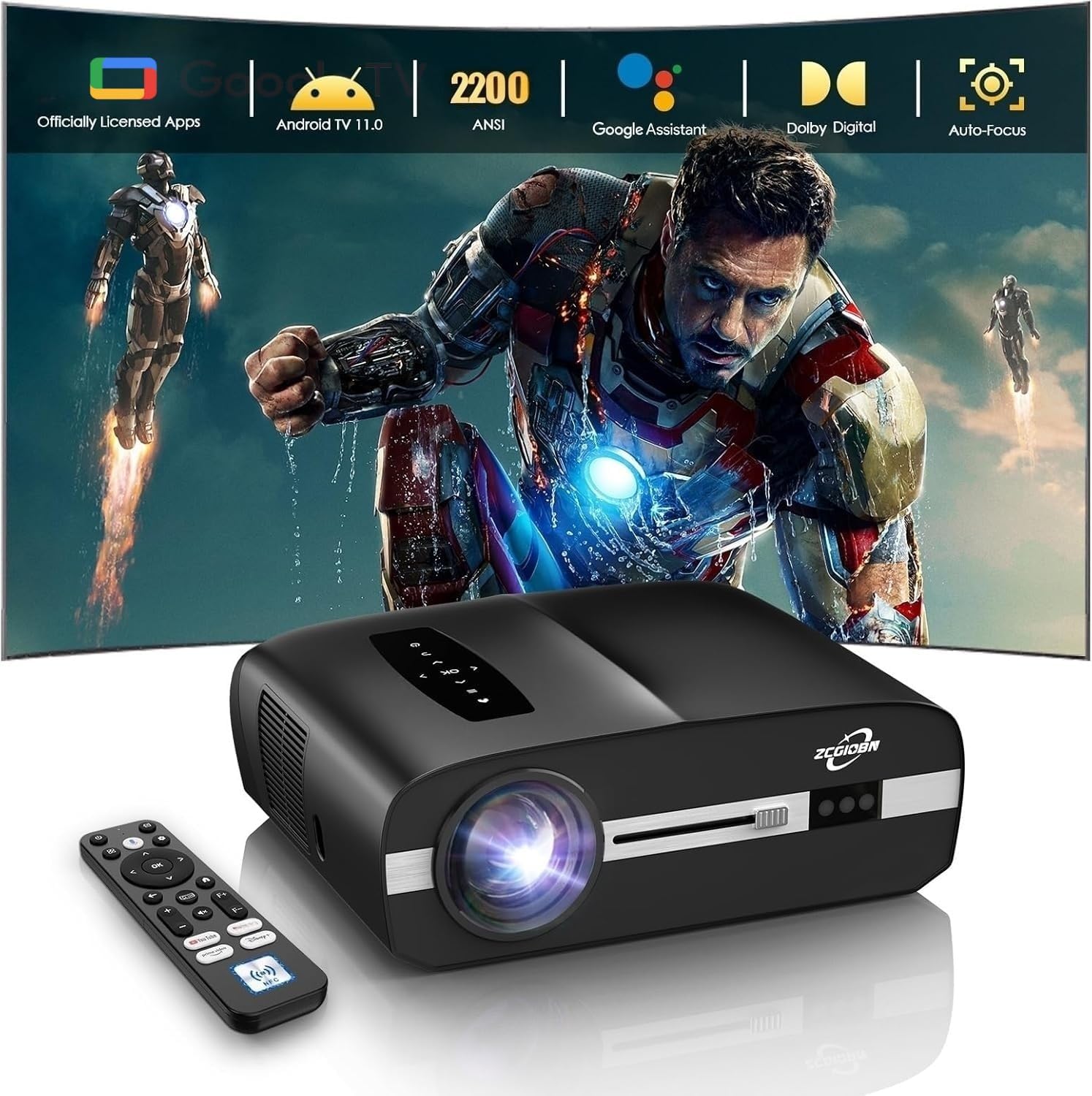 ZCGIOBN 1000D Smart 4K HDR Projector with WiFi
|
9.5/10 | Buy on Amazon |
Pros
- Bright, sharp XGA image quality praised by real users
- Great value for churches, schools, and small offices
- Simple setup with HDMI and VGA compatibility
- Durable build with long-lasting lamp life
- Highly rated by customers (4.8/5 average)
Cons
- Native XGA (1024x768) resolution is lower than modern Full HD standards
- No wireless connectivity for streaming or mirroring
- Bulky ceiling-mount form factor may not suit portable use
The Epson PowerLite E20 is a 3LCD projector purpose-built for classrooms, churches, and small meeting spaces where dependable, bright projection matters more than ultra-high resolution. With 3,400 lumens of brightness and a native XGA resolution, it handles presentations, videos, and lesson materials with clarity even in rooms with some ambient light.
Its standout feature is the combination of brightness and audio integration: the built-in 5-watt speaker means users don't need external sound equipment for most small to mid-sized rooms. HDMI connectivity simplifies hookups to laptops, streaming devices, or gaming consoles, and the wide throw distance range (2.5 to 29.17 feet) gives installers flexibility in mounting position and screen size.
Build quality reflects Epson's reputation for durability, with a lamp rated for up to 12,000 hours in Eco-mode, which significantly reduces long-term maintenance costs compared to shorter-lived alternatives. The white ceiling-mountable housing is straightforward, functional, and designed for permanent installation rather than portability.
The main limitation is its XGA resolution, which falls short of Full HD for users wanting sharper detail on modern content, and the lack of built-in wireless connectivity means streaming requires an additional adapter. It's also a larger, more purpose-built unit than compact portable projectors.
Overall, the PowerLite E20 is a smart, no-nonsense choice for educators, churches, and small businesses that need a bright, reliable, and low-maintenance projector rather than a cutting-edge home theater device. Reviewers consistently praise its performance and value for these exact use cases.
Pros
- Exceptional brightness at 4,000 ANSI lumens performs well in ambient light conditions
- Large projection range up to 150 inches suits a wide variety of room sizes
- Quick and easy setup with optical zoom and keystone correction
- Smooth 120Hz refresh rate benefits both presentations and video playback
- Highly rated by users with strong overall satisfaction scores
Cons
- SVGA (800x600) resolution is lower than Full HD, which may disappoint users expecting sharper text or detailed graphics
- DLP lamp-based technology means eventual lamp replacement costs compared to laser projectors
- No built-in speaker mentioned, so external audio may be required for media-rich presentations
The ViewSonic PA503S is an SVGA business projector designed for professionals who need reliable, bright visuals in meeting rooms, classrooms, training spaces, and corporate events. With 4,000 ANSI lumens of brightness and a large projection range of 80 to 150 inches, it caters to users who prioritize visibility over pixel-perfect resolution.
The standout feature of this projector is its impressive brightness. At 4,000 ANSI lumens, the PA503S holds its own even in rooms where controlling ambient light is difficult, making it far more practical for everyday office and classroom use than dimmer alternatives. SuperColor technology further enhances image quality by delivering a wide, vibrant color gamut that makes presentations and media content look polished and engaging.
Setup is refreshingly straightforward thanks to the 1.1x optical zoom, 0.8x to 2.0x digital zoom range, and vertical keystone correction. Whether you are mounting it on a ceiling or placing it on a table, getting a properly aligned image takes only a few minutes. The 1.9 to 2.1 throw ratio is well suited to standard-sized rooms, and a 100-inch image can be achieved from just 13 feet away.
The main trade-off is resolution. SVGA at 800x600 pixels is noticeably softer than modern 1080p or even WXGA projectors, and users displaying detailed spreadsheets or fine text may find it less crisp than desired. Additionally, as a lamp-based DLP projector, eventual lamp replacement is a maintenance cost to factor in over time.
Overall, the ViewSonic PA503S delivers excellent value for budget-conscious buyers who need a bright, easy-to-use projector for business presentations and educational settings. Its combination of high lumens, large screen capability, and user-friendly setup makes it a dependable workhorse, provided you can accept the SVGA resolution limitation.
Resolution: SVGA (800x600p), suitable for standard presentations and video content in professional environments.
Brightness: 4,000 ANSI lumens, providing clear and vivid images in both dim and moderately lit rooms.
Throw Ratio: 1.9 to 2.1, with a projection distance of 10.5 ft to 19.6 ft for screen sizes between 80 and 150 inches.
Refresh Rate and Latency: 120Hz refresh rate and 16ms input latency for smooth, responsive image rendering during fast-paced video or presentations.
Zoom and Adjustment: 1.1x optical zoom, 0.8x to 2.0x digital zoom, and vertical keystone correction for flexible and easy image alignment.
Connectivity: HDMI input for seamless connection to laptops, media players, and other modern source devices.
Color Technology: ViewSonic SuperColor for an expanded color gamut and enhanced visual accuracy.
If you are shopping for a projector primarily for business presentations, training sessions, or classroom instruction, the ViewSonic PA503S is a strong contender in its price range. Its high brightness makes it far more versatile than lower-lumen models, especially in spaces where you cannot fully dim the lights.
Consider this projector if your content consists mainly of slideshows, documents, videos, and web-based material. The SVGA resolution is adequate for these use cases, though if you regularly work with highly detailed graphics, CAD drawings, or 4K media, you may want to invest in a higher-resolution model such as a 1080p or WUXGA projector.
For buyers comparing lamp-based versus laser projectors, keep in mind that lamp replacements add to the long-term cost of ownership. If you plan to use the projector heavily every day, a laser projector may offer lower maintenance costs over several years. However, for moderate use in meetings and classes, the PA503S lamp life should provide years of reliable service before replacement is needed.
The HDMI input makes it compatible with virtually any modern laptop or media device, and the easy keystone and zoom controls mean you do not need a dedicated AV technician to set it up. This makes it an excellent choice for small businesses, schools, and organizations that need plug-and-play simplicity without sacrificing image brightness.
Pros
- High brightness suitable for classrooms and offices with ambient light
- Low input latency and 120Hz refresh rate for smooth fast-moving content
- Large projection range from 80 to 150 inches
- Easy image adjustment with optical zoom and vertical keystone
- Strong rating from over a thousand reviewers reflects reliable performance
Cons
- WXGA 1280x800 resolution is not native Full HD, which may limit sharpness for detailed content
- Lamp-based projector means bulb replacement costs over time
- Limited zoom range (1.1x optical) offers less placement flexibility compared to higher-end models
The ViewSonic PA503W is a WXGA DLP projector designed primarily for classrooms and business presentations, though its fast refresh rate also makes it appealing to casual gamers. With 4,000 ANSI lumens of brightness, it's built to perform well even in rooms with some ambient light, making it a practical choice for offices, training rooms, and lecture halls.
What really sets this projector apart is its 120Hz refresh rate combined with a 16ms input latency, features you don't typically see in budget business projectors. This means presentations with video, animations, or even light gaming sessions look smooth and responsive rather than choppy or delayed. SuperColor technology further enhances the experience by producing a wide color gamut, so charts, images, and video content appear vibrant rather than washed out.
In terms of design, the PA503W is straightforward and functional rather than flashy. It supports ceiling mounting with ViewSonic's own PJ-WMK-007 mount, and setup is simplified through 1.1x optical zoom, 0.8x-2.0x digital zoom, and vertical keystone correction. It can throw a 100-inch image from just 11 feet away, and scales up to 150 inches for larger venues, giving it solid flexibility for different room sizes.
The main tradeoff is resolution: at 1280x800, this is a WXGA projector, not Full HD, so extremely fine text or detailed graphics won't be as crisp as on higher-resolution models. It also relies on a traditional lamp rather than LED or laser, meaning users will eventually need to budget for bulb replacement. The relatively modest optical zoom range also means placement needs to be planned more carefully than with projectors offering longer zoom ranges.
Overall, the ViewSonic PA503W is a dependable, well-rounded projector for anyone needing a bright, large-screen display for presentations, teaching, or meetings. Its combination of brightness, low latency, and easy setup make it a strong value pick, especially for schools and small businesses that don't require 4K-level detail.
Pros
- Sharp, colorful 4K HDR picture praised by multiple reviewers
- Smooth built-in smart system with easy app access, no extra streaming box needed
- Simple Bluetooth pairing and NFC phone mirroring
- Good value for the features offered, according to buyers
- Compact, space-saving short-throw design
Cons
- A couple of reviewers reported burn spots developing on the screen after a few months of use
- Remote button responsiveness can be inconsistent
- Built-in speaker is on the weaker side, may require an external Bluetooth speaker
The ZCGIOBN 1000D is a smart 4K HDR projector aimed at home theater fans, gamers, and anyone wanting a big-screen experience without dedicating a large room to it. Its short-throw lens and portable form factor make it a solid pick for smaller living rooms, dorms, or outdoor movie setups where space is limited.
In real-world use, reviewers consistently praise the picture quality, describing it as crisp, colorful, and bright even for demanding content like nature documentaries and fast-paced games. The built-in Android smart system runs licensed apps smoothly, cutting out the need for a separate streaming stick, while Dolby Audio adds noticeable depth for movie nights. The one-tap NFC mirroring feature is a particular highlight, letting users cast phone screens in seconds without fumbling through settings menus.
Build-wise, the matte black finish and compact 12 x 9.84 x 4.92 inch body look clean and blend well into most rooms, and the flexible mounting options (ceiling, tabletop, or bracket) add versatility. The remote and touchpad controls are convenient, though a couple of users noted the remote occasionally needs repeated button presses to respond.
The main drawback surfacing in reviews is long-term durability. Two reviewers reported burn spots appearing on the projected image after just a few months to under a year of regular use, which is a legitimate concern for a $499 projector. The built-in speaker is also described as underpowered, though pairing an external Bluetooth speaker easily resolves that.
Overall, the ZCGIOBN 1000D delivers impressive picture quality, smart connectivity, and space-saving design at a reasonable price point, making it a strong contender for casual to enthusiast home theater setups. Buyers should weigh the excellent day-one performance against a couple of durability complaints, and those planning heavy daily use may want to keep an eye on warranty coverage.
What to Look for in a Classroom Projector
Brightness and Image Quality
Classrooms are rarely perfectly dark environments. You need a projector with sufficient lumens to produce a clear image even with ambient light from windows or overheads. Look for models that specify ANSI lumens, as this is a standardized measurement. A higher lumen count ensures text and diagrams remain sharp and readable for every student.
Resolution is equally important for detail. While SVGA is a common budget-friendly standard, WXGA offers a wider aspect ratio that better fits most modern laptop screens and videos, reducing the need for letterboxing. Technologies like 3LCD or DLP with color enhancement features also contribute to vibrant, true-to-life images that keep students engaged.
Connectivity and Ease of Use
A projector should simplify your teaching, not complicate it. Essential connectivity includes at least one HDMI port for modern laptops and media players, as it carries both high-definition video and audio through a single cable. VGA ports are still useful for connecting older devices, while USB ports can be handy for displaying content directly from a flash drive.
Setup features are crucial for a smooth start to every class. Vertical keystone correction helps you fix a distorted image if the projector isn’t perfectly aligned. Optical zoom provides flexibility in placement without sacrificing image quality. A built-in speaker, while not suitable for large assemblies, is perfect for everyday video clips and presentations.
Durability and Long-Term Value
Classroom technology must be built to last. Pay close attention to the rated lamp life, as replacing a projector bulb is a recurring cost and a disruption. Models boasting lamp lives of 10,000 hours or more offer significant long-term savings. A durable, well-ventilated construction also ensures the projector can handle daily use.
Consider the total cost of ownership. A slightly higher initial investment in a robust, feature-rich model often pays off over years of reliable service. Ceiling mountability is another key feature for permanent installations, keeping the device secure and out of the way. For more on projectors designed for easy setup in educational settings, see our list of the best classroom projectors with easy setup.
Final Thoughts
Selecting the right projector comes down to matching specific classroom needs with proven performance. For educators seeking a traditional, highly reliable workhorse with excellent color accuracy, the Epson PowerLite E20 LCD Projector – 4:3 is a standout choice. Conversely, if your primary need is maximum brightness and modern connectivity for a versatile learning space, the ViewSonic PA503W 4000 Lumens WXGA DLP Projector delivers exceptional value. Both models represent the best of what’s available for creating dynamic and effective visual learning environments.
Frequently Asked Questions
What is the most important feature for a classroom projector?
Brightness, measured in ANSI lumens, is arguably the most critical factor. A projector with at least 3,500 lumens ensures the image remains clear and visible even in rooms with some ambient light, which is common in classrooms. This prevents eye strain and ensures all students can see the material from anywhere in the room.
Are smart projectors a good choice for classrooms?
Smart projectors with built-in Wi-Fi and Bluetooth can offer excellent convenience, allowing wireless screen mirroring and direct streaming from apps. This reduces cable clutter and simplifies sharing content from student devices. However, it is essential to confirm the wireless performance is stable and the interface is intuitive for daily teacher use. For dedicated business and presentation environments, our guide to the top business projectors with easy setup for 2026 covers similar needs.
How long should a classroom projector last?
A quality classroom projector should provide years of service. Key longevity indicators are the lamp life, often rated between 10,000 to 15,000 hours in eco-mode, and the overall build quality. With typical daily use, a robust projector can easily last five years or more before requiring significant maintenance or replacement, making it a sound long-term investment for any school.
Can I use a home theater projector in my classroom?
While possible, it is not generally recommended. Home theater projectors are optimized for dark rooms and cinematic color, not for the bright, text-heavy content common in education. Classroom projectors are engineered for higher brightness, sharper text clarity, and durability to handle daily power cycles and longer operational hours.


Write Your Review
No reviews yet. Be the first to share your experience!