

You’re ready to upgrade your presentations, movie nights, or classroom lessons with a projector that delivers brilliant images year after year. The last thing you want is a dimming bulb that needs frequent, costly replacements, disrupting your workflow or entertainment. This guide is crafted for educators, business professionals, and home theater enthusiasts seeking reliable, high-performance projection without constant maintenance worries.
We have assessed and compared five top-rated projectors that prioritize longevity with advanced laser phosphor or long-life lamp systems. These models are engineered for durability, offering thousands of hours of bright, consistent light, making them excellent investments for demanding environments. For a broader look at options in this category, explore our curated list of the best projectors under $1000 with laser light sources.
| Pick | Product | AI Score | Buy |
|---|---|---|---|
| -10% OFF |
 Optoma ZH401e Full HD 1080p Laser Projector
|
9.5/10 | Buy on Amazon |
 Epson PowerLite L200W 3LCD WXGA Long-Throw Laser
|
9.6/10 | Buy on Amazon | |
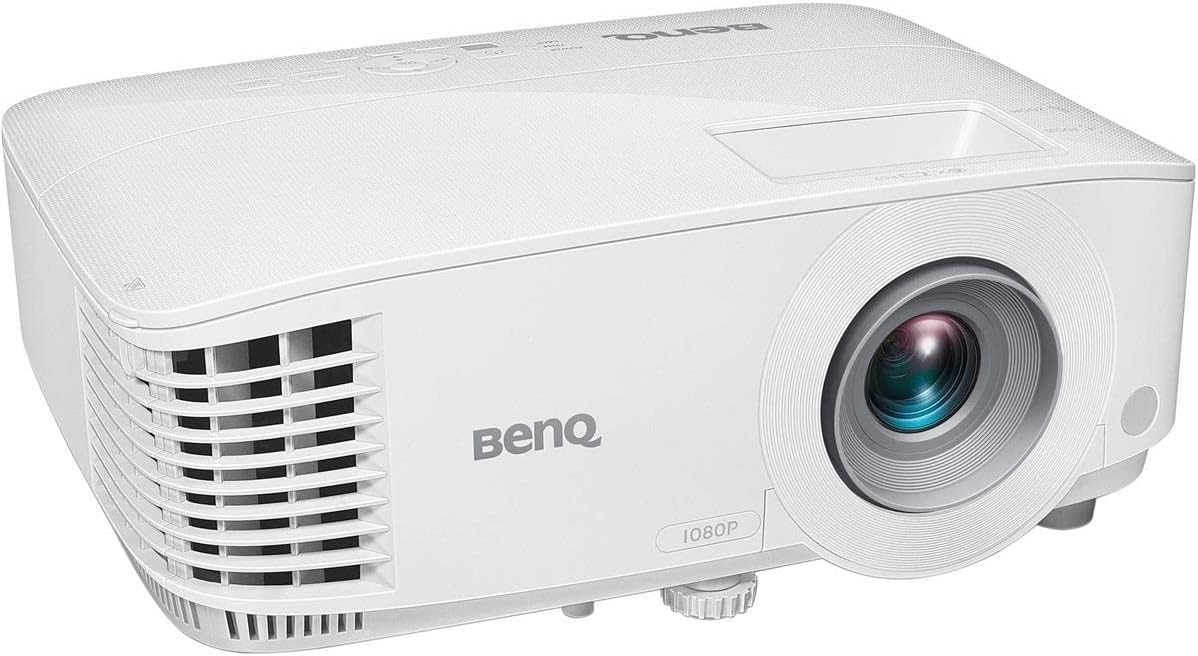 BenQ MH733 1080P Business Projector, 4000 Lumens
|
9.6/10 | Buy on Amazon | |
| -16% OFF |
 Optoma GT2000HDR Short Throw Full HD Laser
|
9.9/10 | Buy on Amazon |
 ViewSonic LSD600W 6000-Lumen WXGA Laser Projector
|
9.9/10 | Buy on Amazon |
Pros
- Bright 4,600-lumen output suitable for well-lit rooms
- Long-life laser reduces maintenance and operating costs over time
- Flexible installation with zoom, 360°, and portrait orientation support
- Durable IP6X dust-resistant design for demanding environments
- Strong warranty coverage on both projector and light source
Cons
- No wireless connectivity, relies on wired HDMI/Ethernet/USB connections
- Native 1080p resolution may not satisfy users wanting 4K clarity
- Bulkier desktop form factor compared to portable or pocket projectors
The Optoma ZH401e is a Full HD 1080p laser projector designed primarily for business, education, and signage applications where reliability and brightness matter more than home theater aesthetics. Its 4,600-lumen output and IP6X dust resistance make it a strong fit for classrooms, conference rooms, and installations in less-than-pristine environments.
The standout feature here is the DuraCore laser engine, rated for up to 30,000 hours of maintenance-free operation. This effectively removes the recurring cost and hassle of lamp replacements that plague traditional projectors, while also supporting flexible mounting through 360-degree and portrait projection modes.
Build quality reflects its commercial focus: a compact desktop chassis with an external power supply intended to boost reliability and simplify servicing. With a 1.1x zoom and throw distances ranging from 3.3 to 32.8 feet, installers have reasonable flexibility when positioning the unit relative to the screen.
On the downside, the ZH401e sticks to wired connectivity only, so those wanting built-in Wi-Fi or Bluetooth streaming will need to add external hardware. Additionally, its native 1080p resolution, while sharp for business content, will feel dated to users specifically shopping for 4K sharpness.
Overall, this projector is a sensible choice for organizations prioritizing uptime, brightness, and installation flexibility over cutting-edge resolution. The combination of a long-life laser source, dust resistance, and a robust warranty package makes it a practical long-term investment for institutional and signage use cases.
Resolution: Native 1920x1080 Full HD with support up to 1980x1080 display output.
Brightness & Contrast: 4,600 ANSI lumens with a 300,000:1 contrast ratio for crisp, high-visibility images.
Light Source: DuraCore laser rated for up to 30,000 hours, backed by a 5-year or 12,000-hour warranty.
Connectivity: HDMI, USB, and Ethernet ports support laptops, gaming consoles, and networked control.
Throw & Image Size: Throw distance from 3.3 to 32.8 feet, producing image sizes between 30 and 300 inches.
Pros
- Virtually maintenance-free laser light source with long 20,000-hour lifespan
- Bright, sharp WXGA images suitable for classrooms and meeting rooms
- Seamless wireless connectivity with enterprise-level security
- Supports simultaneous multi-device screen sharing for collaborative use
- Built-in speaker reduces need for additional audio equipment
Cons
- WXGA resolution may not satisfy users seeking full HD or 4K clarity
- Higher upfront price compared to standard lamp-based projectors
- Short throw distance range may limit placement in larger venues
The Epson PowerLite L200W is a long-throw laser projector designed primarily for classrooms and small meeting spaces where reliability and easy content sharing matter most. Its combination of laser light source and wireless connectivity makes it a strong fit for educators and IT administrators looking to reduce maintenance overhead.
Real-world performance benefits from its 4,200 lumens of brightness and WXGA resolution, producing clear, colorful images even in moderately lit rooms. The built-in wireless and Miracast support stand out, allowing teachers to project from laptops, tablets, or phones without extra hardware, while Epson iProjection lets up to 50 devices connect and four to display at once.
Build quality feels functional and classroom-ready, with a compact desktop form factor and tabletop mounting design weighing just over nine pounds. The inclusion of two HDMI ports and a 16W speaker adds practical versatility for various presentation setups without needing additional AV equipment.
On the downside, the WXGA resolution won't satisfy users wanting full HD detail, and the short native throw distance range means careful placement is needed for larger rooms. The price point, while justified by the laser light source, is higher than typical lamp-based alternatives.
Overall, the PowerLite L200W is a smart investment for educational and corporate environments prioritizing low maintenance, bright visuals, and flexible wireless sharing over ultra-high resolution. It's a dependable, feature-rich projector for collaborative spaces.
The PowerLite L200W features 3-chip 3LCD technology delivering 4,200 lumens of both color and white brightness, paired with a native WXGA (1280 x 800) resolution and a strong 15,000:1 contrast ratio for crisp, detailed visuals.
Its 20,000-hour laser light source removes the need for lamp replacements, backed by a 3-year limited warranty. The projector supports a maximum image size of 282 inches with a throw distance ranging from 1 to 1.62 meters, plus 1.6x optical zoom for flexible setup.
Connectivity includes dual HDMI inputs, built-in enterprise-grade wireless networking, and Miracast support, complemented by remote control management tools for easy operation and maintenance in shared environments.
Pros
- Very bright display, ideal for windowless or well-lit conference rooms
- Sharp 1080p image quality praised by both business and home users
- Easy wireless setup and flexible mounting with auto keystone correction
- Doubles well as a home theater or gaming projector with low input lag
- Energy-efficient SmartEco mode extends lamp lifespan significantly
Cons
- Built-in speaker sound quality is basic and best paired with external audio
- Color reproduction can appear slightly inaccurate out of the box
- Lamp-based light source means eventual replacement costs compared to laser models
The BenQ MH733 is a 1080p DLP business projector built for conference rooms, classrooms, and presentation spaces that need reliable brightness and easy setup. With 4000 ANSI lumens and a 16,000:1 contrast ratio, it's designed to perform well even when ambient light is present.
In real-world use, reviewers consistently praise its brightness and clarity, noting that it holds up even in rooms with lights on. Wireless casting through the Qcast app and optional dongle lets users present without cable clutter, while auto vertical keystone correction and a 1.3x zoom make alignment quick in almost any room layout.
Build quality benefits from BenQ's low-dispersion glass lens, which reduces chromatic aberration and keeps images sharp over time. The triple adjustment feet, Kensington lock support, and top-mounted lamp access show thoughtful design for both tabletop and ceiling-mounted installations.
On the downside, the built-in 10W speaker is functional but not particularly powerful, so an external sound system is recommended for larger rooms. A few users also noted the color reproduction can look slightly off without calibration, and as a lamp-based projector, it will eventually need bulb replacement, unlike laser alternatives.
Overall, the BenQ MH733 is a dependable, versatile projector that punches above its business-class label. It's a great fit for offices and schools needing bright, wireless-ready presentations, and it doubles surprisingly well as a home theater or gaming display for users seeking value and performance.
The MH733 features a native 1080p (1920x1080) resolution with support up to WUXGA, powered by a 240W lamp rated for up to 15,000 hours in LampSave mode. It offers a 1.15-1.5 throw ratio and image sizes ranging from 30 to 300 inches diagonally.
Connectivity is robust for a business-class unit, including two HDMI ports, VGA in/out, USB Type-A and Mini-B, LAN (RJ45), and RS-232 for network control via Crestron, AMX, or PJ-Link. This makes it suitable for both standalone use and integration into larger AV systems.
Physically compact at 296 x 120 x 221mm and weighing just 2.5kg, it's easy to mount or relocate as needed, backed by BenQ's 3-year warranty for added assurance.
Pros
- Short throw lens enables big 120-inch images in tight spaces without complicated mounting
- 30,000-hour laser light source eliminates costly bulb replacements over the projector's lifetime
- Impressively low input lag of 8ms at 1080p120Hz makes it genuinely competitive for gaming
- 4K HDR compatibility with HDR10 and HLG ensures future-ready performance with modern source devices
- Compact, energy-efficient build makes it easy to integrate into any living room or game room setup
Cons
- At 3,500 lumens, brightness may fall short in rooms with significant ambient light compared to higher-lumen alternatives
- Native resolution is 1080p only, so 4K content is downscaled rather than displayed natively
- No built-in smart TV platform means you must rely on an external streaming device or gaming console
The Optoma GT2000HDR is a short throw laser projector designed for home theater and gaming use in small to medium-sized rooms. It produces a 120-inch image from just 4 feet 4 inches away, making it one of the most space-efficient projectors in its price range. It is well suited for apartment dwellers, basement setups, and anyone who wants a cinematic experience without dedicating a large room to it.
The DuraCore laser light source is one of the GT2000HDR's most compelling features, rated for up to 30,000 hours of maintenance-free operation. Combined with an IPX6 dust resistance rating, this projector is built for long-term reliability without the recurring cost of lamp replacements. The 3,500-lumen output is solid for a darkened room, though it can struggle against strong ambient light.
For gamers, the Enhanced Gaming Mode is a genuine highlight, dropping input lag to as low as 8ms at 1080p120Hz. This is competitive performance that rivals many dedicated gaming monitors. The 4K HDR input support, with HDR10 and HLG compatibility, adds rich color depth and a 300,000:1 contrast ratio that makes both games and films look visually impressive.
On the design side, the projector is remarkably compact, measuring just 8.5 by 10.79 inches, smaller than a standard sheet of paper. Its energy-efficient operation uses roughly 45% less power than lamp-based competitors, which is a meaningful long-term saving. The inclusion of both HDMI 1.4 and HDMI 2.0 ports ensures compatibility with a wide range of devices including consoles and streaming sticks.
The main limitations are the native 1080p resolution (4K content is downscaled), the absence of built-in smart features, and brightness that may not satisfy users in bright environments. Overall, the GT2000HDR is a strong, well-rounded projector that delivers excellent value for home theater fans and gamers who prioritize short throw convenience and laser longevity.
Resolution: Full HD 1080p (1920x1080). Supports 4K HDR input via HDMI 2.0 with HDCP 2.2, downscaled to 1080p for display.
Brightness and Contrast: 3,500 lumens brightness with a 300,000:1 dynamic contrast ratio powered by Dynamic Black technology. HDR10 and HLG formats are both supported.
Light Source and Durability: DuraCore Laser rated for up to 30,000 hours of maintenance-free use. IPX6 dust resistance rating for enhanced longevity in real-world environments.
Throw Distance and Size: Projects a 120-inch image from just 4 feet 4 inches. Physical dimensions are 8.5 by 10.79 inches, making it one of the most compact projectors in its category.
Gaming Performance: Enhanced Gaming Mode with input lag of 17ms at 4K60Hz input to 1080p60Hz, 16ms at 1080p60Hz, and 8ms at 1080p120Hz. Connectivity includes HDMI 1.4, HDMI 2.0, and USB ports. Keystone correction of plus or minus 30 degrees vertical.
If you are shopping for a short throw projector, the key question is how much space you have and what you primarily plan to use it for. The GT2000HDR is ideal if you want a large image in a room under 15 feet deep, and it excels equally in gaming and movie watching scenarios.
Compare it to the Optoma GT2100HDR if brightness is a priority. The GT2100HDR offers 4,000 lumens versus 3,500 lumens on this model, which makes a noticeable difference in moderately lit rooms. However, the GT2000HDR comes in at a significantly lower price, making it the smarter choice for dedicated home theater spaces where you can control the lighting.
For gamers specifically, the 8ms input lag at 1080p120Hz is among the best available in a projector at this price point. If you own a PlayStation 5, Xbox Series X, or a capable gaming PC, this projector will keep up with fast-paced titles without noticeable lag or ghosting.
Keep in mind that this projector does not include a built-in streaming platform, so you will need a Roku, Fire TV Stick, Apple TV, or similar device connected via HDMI. Budget an additional amount for that if you do not already own one. A proper projector screen will also enhance image quality significantly over a painted wall.
Overall, the GT2000HDR represents strong value for buyers who want laser reliability, short throw flexibility, and gaming-grade responsiveness in a compact, energy-efficient package.
Pros
- Very bright 6,000-lumen output suited for large rooms and ambient light
- Long-lasting laser light source cuts maintenance and replacement costs
- Flexible mounting with 360° tilt, portrait mode, and 4-corner adjustment
- Three-year warranty covering parts, labor, and light source
- Dual HDMI and LAN control simplify installation and management
Cons
- WXGA 1280x800 resolution falls short of Full HD or 4K for detailed content
- Bulky 6.4-pound, ceiling-mount-oriented design isn't ideal for casual portable use
- No listed built-in speaker, likely requiring external audio for presentations
The ViewSonic LSD600W is a high-brightness laser projector aimed squarely at corporate, education, and large-venue installations rather than home entertainment. Its 6,000 ANSI lumen output and WXGA resolution make it a solid choice for boardrooms, auditoriums, and training facilities where ambient light is unavoidable.
What stands out most is the 3rd-generation laser phosphor light source, rated for up to 30,000 hours without lamp swaps, along with instant on/off operation that eliminates the warm-up delays common with traditional projectors. The 0.65-inch DMD chip and extremely high contrast ratio produce crisp text and deep blacks, which is especially useful for slide decks, signage, and simulation content like the projector's dedicated Golf Mode for simulator venues.
Build quality reflects its commercial focus, with a 32% more compact chassis than earlier generations and an IP5X sealed optical engine that resists dust intrusion in demanding environments. Installation flexibility is a highlight too, thanks to 360-degree orientation support, 1.3x optical zoom, four-corner adjustment, and portrait mode, all of which simplify mounting in non-standard spaces.
The main tradeoffs are its WXGA resolution, which lags behind Full HD or 4K alternatives for fine detail, and its size and weight, which lean toward permanent or semi-permanent installs rather than grab-and-go portability. There's also no mention of built-in audio, so most setups will need external speakers.
Overall, the LSD600W is a smart pick for schools, offices, and venue operators who need dependable brightness and low long-term maintenance over cutting-edge resolution. It's less suited to home theater enthusiasts or anyone wanting a compact travel projector, but as a workhorse for well-lit commercial spaces, it delivers exactly what it promises.
The LSD600W features a native WXGA resolution of 1280 x 800 pixels, paired with 6,000 ANSI lumens of brightness and an extremely high 3,000,000:1 contrast ratio for sharp, legible imagery at large screen sizes up to 300 inches.
Connectivity includes dual HDMI inputs, Ethernet for LAN-based control and monitoring, USB 2.0 Type A, and a 3.5mm audio output, covering most standard installation and integration needs.
Throw distance ranges from 0.76 to 9.95 meters, supported by 1.3x optical zoom and horizontal/vertical keystone correction, giving installers flexibility across a range of room sizes and mounting positions.
The unit weighs 6.4 pounds and measures roughly 11.3 x 15.75 x 5.1 inches, and it's backed by a three-year limited warranty covering parts, labor, and the laser light source.
Key Factors for Choosing a Durable Projector
Light Source Technology and Lifespan
The core of a long-lasting projector is its light source. Laser and laser phosphor systems, like those in the Optoma ZH401e and ViewSonic LSD600W, typically offer the longest operational life, often reaching 20,000 to 30,000 hours. They also maintain brightness more consistently over time compared to traditional lamps. For setups requiring flexible connectivity, our guide on the best projectors under $1000 with laptop connectivity highlights models with excellent integration features.
Brightness and Image Quality
Lumens measure a projector’s light output, crucial for overcoming ambient light. Models like the ViewSonic LSD600W with 6,000 lumens are ideal for large, bright rooms, while the 4,200-lumen Epson PowerLite L200W excels in classrooms. Also, consider native resolution, such as Full HD 1080p, and contrast ratio for deep blacks and vibrant colors, ensuring your content looks sharp and engaging.
Installation Flexibility and Connectivity
Your room’s layout dictates the projector you need. Look for optical zoom, keystone correction, and lens shift to fit your space. Short-throw models, like the Optoma GT2000HDR, create large images from a short distance. Wireless capabilities, such as the built-in networking in the Epson L200W, simplify screen sharing from multiple devices. For setups needing several video sources, check our review of the best projectors under $1000 with multiple HDMI ports.
Durability and Maintenance Features
For projectors in challenging environments, features like IP6X dust resistance, found on the Optoma ZH401e, are vital. They prevent internal dust accumulation that can degrade image quality and shorten component life. An external power supply, used in several models here, can improve thermal management and reliability. These design choices contribute to a lower total cost of ownership by reducing downtime.
Final Thoughts
Selecting a projector with a long-life light source is a smart decision for anyone who values reliability and consistent performance. After reviewing the leading options, two models stand out for distinct applications. For a versatile, high-brightness solution perfect for education and corporate settings, the Epson PowerLite L200W 3LCD WXGA Long-Throw Laser offers excellent wireless collaboration tools. Conversely, for home theater enthusiasts and gamers seeking an immersive, large-screen experience with ultra-reliable laser technology, the compact Optoma GT2000HDR Ultra-Compact Short Throw Full HD is a compelling choice. Both deliver on the promise of longevity and quality that defines this category.
Frequently Asked Questions
How long do laser projectors typically last compared to lamp-based models?
Laser and laser phosphor light sources are designed for exceptional longevity, often rated for 20,000 to 30,000 hours of use. This far exceeds the typical 3,000 to ش5,000-hour lifespan of standard projector lamps. This extended life means you can use the projector for years without worrying about a dimming image or the cost and hassle of a lamp replacement.
Can I use these projectors in a room with windows and ambient light?
Yes, but the required brightness depends on the ambient light level. Projectors with higher lumen outputs, like the 6,000-lumen ViewSonic LSD600W or the 4,600-lumen Optoma ZH401e, are specifically engineered for “lights-on” viewing in meeting rooms and classrooms. For the best results, controlling ambient light is always recommended, but these high-brightness models provide significant flexibility.
What does “maintenance-free” mean for a projector?
In the context of these projectors, “maintenance-free” primarily refers to the light source. Laser and advanced lamp systems eliminate the need for periodic lamp replacements, which are the most common maintenance task. Some models also incorporate dust-sealed designs to prevent internal cleaning. It is important to note that filters (if present) may still need occasional attention, and general care like keeping vents clear is always advised. For more on projectors designed for simple use, see our guide on the best projectors under $1000 with easy setup.
Are these projectors a good choice for home theater use in 2026?
Absolutely. Several models reviewed, particularly the Optoma GT2000HDR, are specifically designed for home entertainment. They offer Full HD 1080p resolution, high contrast ratios for deep blacks, and laser light sources that provide consistent color and brightness over thousands of hours of movies and gaming. Their long-life light sources make them a reliable centerpiece for your home theater for years to come.


Write Your Review
No reviews yet. Be the first to share your experience!