

You’re preparing for a crucial client presentation or a key lecture, and the centerpiece of your delivery is a clear, vibrant display. A subpar projector can turn compelling data into a blurry mess, leaving your audience disengaged. For business professionals, educators, and anyone needing to share content effectively, finding a projector that balances performance with value is essential. This guide is crafted for those seeking a powerful presentation tool without exceeding a $1000 budget, focusing on models that excel in brightness, connectivity, and image clarity for professional environments. If you’re exploring options on a tighter budget, you might also consider our review of the best office projectors under $300.
| Pick | Product | AI Score | Buy |
|---|---|---|---|
| -7% OFF |
 Epson Pro EX9270 Wireless 1080p 3LCD Business
|
9.9/10 | Buy on Amazon |
| -6% OFF |
 Epson PowerLite 1781W WXGA Wireless
|
9.6/10 | Buy on Amazon |
| -20% OFF |
 JMGO N1S 4K Triple Laser Projector with Google TV
|
9.8/10 | Buy on Amazon |
 ViewSonic LS740W WXGA Laser Projector 5500 Lumens
|
9.7/10 | Buy on Amazon | |
| -10% OFF |
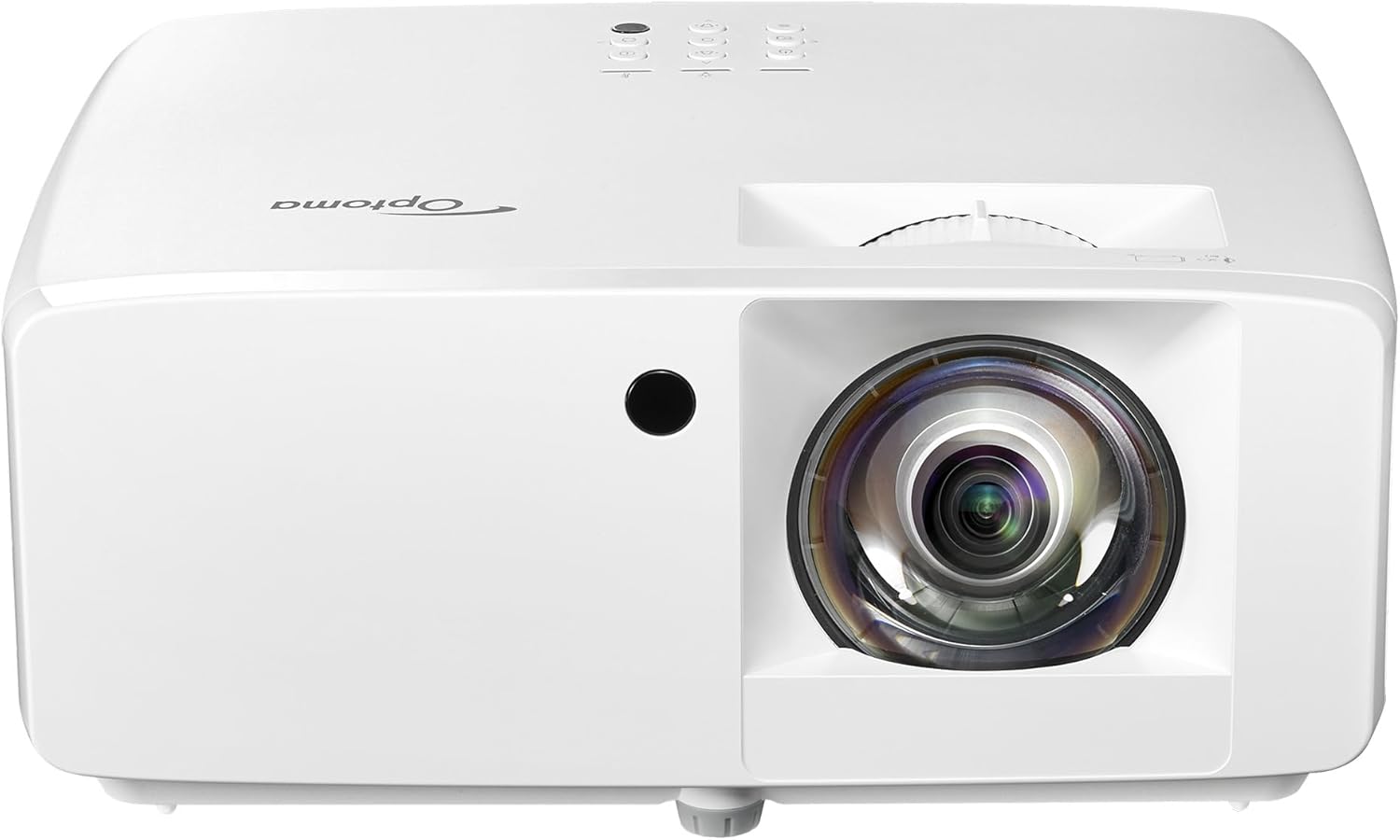 Optoma ZW350ST WXGA Short Throw Laser Projector
|
9.4/10 | Buy on Amazon |
 ViewSonic LSD600W 6000-Lumen WXGA Laser Projector
|
9.9/10 | Buy on Amazon |
Pros
- Exceptional 4,100-lumen brightness performs reliably in well-lit offices and conference rooms without needing to dim the lights
- Wireless AirPlay and Miracast compatibility covers both Apple and Windows ecosystems for seamless, cable-free sharing
- 3-Chip 3LCD engine produces accurate, vivid colors with no rainbow effect, a clear advantage over single-chip DLP alternatives
- Strong 16W speaker removes the need for a separate audio setup, saving time and reducing clutter
- Flexible 1.6x optical zoom and multi-point correction make installation straightforward in rooms of varying sizes and layouts
Cons
- Lamp-based light source requires eventual bulb replacement, adding a long-term maintenance cost compared to laser projector alternatives
- At nearly 7 pounds and priced at a premium tier, it may be more than casual home users or budget-conscious buyers need
- Wireless streaming performance depends on network speed, and some advanced features like AirPlay require a minimum 25 Mbps connection
The Epson Pro EX9270 is a Full HD wireless business projector designed specifically for modern hybrid workplaces and professional conference environments. With support for images up to 300 inches and robust wireless connectivity, it targets business users, educators, and teams who need a reliable, high-performance large-format display without the limitations of a fixed flat panel.
The projector's standout feature is its 4,100-lumen dual brightness rating, covering both color and white output, which means presentations, spreadsheets, and video calls remain sharp and vivid even when room lights stay on. The true 3-Chip 3LCD engine processes 100% of the RGB color signal on every frame, eliminating the rainbow effect common in single-chip projectors and ensuring consistent color accuracy across all content types.
Wireless versatility is a genuine strength here. Apple AirPlay allows iPhone, iPad, and Mac users to stream or mirror content instantly, while Miracast handles Windows PC screen casting without any additional dongles. The dual HDMI ports and USB power output further extend compatibility to popular streaming sticks like Roku, Fire TV, and Chromecast, making this projector a true plug-and-play hub for mixed-device meeting rooms.
On the practical side, the 1.6x optical zoom combined with horizontal and vertical keystone correction and four-corner adjustment gives installers real flexibility, reducing the need for precise ceiling mounts or fixed room configurations. The built-in 16W speaker is notably powerful for a projector in this class, capable of filling a medium-sized conference room without requiring external audio equipment. The unit weighs 6.8 pounds, making it portable enough to move between rooms when needed.
The primary drawback is the lamp-based light source, which will eventually need replacement and adds an ongoing cost not present in laser models. The price point also places it firmly in the professional segment, making it harder to justify for light or personal use. Overall, the Epson Pro EX9270 is a well-rounded, feature-rich projector that delivers on brightness, color quality, and connectivity, making it a compelling investment for businesses that prioritize presentation quality and flexible collaboration.
Resolution: Full HD 1080p | Brightness: 4,100 lumens color (IDMS) and 4,100 lumens white (ISO) | Technology: 3-Chip 3LCD | Light Source: Lamp
Wireless: Apple AirPlay, Miracast | Input Ports: 2x HDMI, USB power output (5V, 2A) | Built-In Speaker: 16W | Optical Zoom: 1.6x
Max Image Size: 300 inches | Keystone Correction: Horizontal, vertical, and four-corner adjustment | Dimensions: 12.2 x 11.5 x 4.1 inches | Weight: 6.8 lbs
Warranty: 1-year limited projector warranty, 90-day limited lamp warranty | Streaming Device Compatibility: Amazon Fire TV, Apple TV, Roku, Chromecast
If you are evaluating the Epson Pro EX9270 against other business projectors, the most important factors to consider are brightness, wireless capability, and total cost of ownership. At 4,100 lumens, this model handles ambient light well, but if your meeting rooms are exceptionally bright or you need the projector to last many years without maintenance, stepping up to a laser model like the Epson EB-PQ series may be worth the higher upfront cost.
For teams that rely heavily on Apple devices, the built-in AirPlay support is a significant convenience advantage over projectors that require a separate Apple TV or adapter. Windows-centric teams will appreciate Miracast for the same reason. If your workflow involves both ecosystems, this projector covers both natively, which is relatively uncommon at this price tier.
Consider the room size and throw distance before purchasing. The 1.6x optical zoom provides meaningful flexibility, but you should verify that your intended installation distance falls within the projector's throw ratio range to achieve the image size you need. For very large auditoriums or permanent fixed installations, a higher-lumen or short-throw model may be more appropriate.
Finally, factor in lamp replacement costs when comparing this projector to laser alternatives. Replacement lamps typically cost between $100 and $200 and are needed after several thousand hours of use. For organizations that use a projector daily for extended periods, a laser light source offers a lower total cost over time, while occasional or moderate users will find the lamp-based EX9270 a cost-effective choice.
Pros
- Exceptionally lightweight and slim design makes it one of the most portable business projectors available
- Balanced 3,200 lumen color and white brightness performs reliably in a variety of lighting conditions
- Wireless QR code setup is quick and intuitive for mobile device connections
- Broad device compatibility including Chromecast, Roku, and MHL gives users flexible content options
- Auto keystone correction reduces setup time significantly, especially in unfamiliar meeting spaces
Cons
- WXGA resolution (1280x800) falls short of full 1080p, which may disappoint users displaying detailed graphics or video content
- At this price point, the lack of auto keystone on both axes (horizontal is manual/auto rather than fully auto) is a minor inconvenience compared to pricier sibling models
- No built-in speaker information is highlighted, which may require an external audio solution for larger rooms
The Epson PowerLite 1781W is a business-focused portable projector designed for professionals who need reliable, high-quality presentations both in the office and on the road. Weighing just 4 pounds and built as slim as a laptop, it targets frequent travelers, sales teams, and educators who cannot afford to lug around heavy equipment.
The standout performance feature is its dual 3,200 lumen brightness rating covering both color and white output, a distinction Epson rightly emphasizes. Many competing projectors advertise white brightness only, which can result in washed-out colors. Here, presentations and videos look vivid and accurate even in rooms where full darkness is not possible. The 3-chip 3LCD technology further contributes to smooth, rainbow-free image quality.
Setup is genuinely fast thanks to auto horizontal and vertical keystone correction and the Screen Fit feature, which automatically adjusts the image even when the projector is placed off-center. Wireless connectivity via a simple QR code scan gets mobile devices connected in seconds, and support for Chromecast, Roku, and MHL-enabled devices adds real versatility for sharing content from multiple sources.
On the downside, the native WXGA resolution (1280x800) is adequate for most business presentations but will not satisfy users who need crisp 1080p output for detailed design work or cinematic video. The manual horizontal keystone adjustment (compared to fully automatic on higher-tier Epson models) is also a minor step back for those seeking a truly hands-off setup experience.
Overall, the Epson PowerLite 1781W earns its strong reputation among business users. It strikes a well-considered balance of portability, brightness, and wireless convenience. For professionals who present frequently and need a projector that is ready to go in minutes, this model is a compelling and trustworthy investment.
Display Technology: 3-Chip 3LCD for accurate, vibrant color with no rainbow effect common in single-chip DLP projectors.
Resolution: WXGA (1280 x 800), offering widescreen 16:10 aspect ratio and twice the pixel count of SVGA. Brightness: 3,200 lumens Color Brightness and 3,200 lumens White Brightness for consistent performance in varied lighting environments.
Connectivity: Built-in wireless LAN module, HDMI input (supports MHL), Chromecast via HDMI, Roku compatibility. QR code-based quick wireless setup for smartphones and tablets.
Keystone Correction: Auto vertical and manual/auto horizontal keystone correction, plus Screen Fit for off-center placement. Weight: 4 lbs (approx. 1.8 kg). Form Factor: Ultra-slim laptop-style chassis for easy bag storage and transport.
If you are deciding between the Epson PowerLite 1781W and its siblings, the key differences come down to keystone correction and resolution. The 1781W offers manual/auto horizontal keystone, while the 1785W provides fully automatic correction on both axes, making setup even faster. If you present in many different rooms and need maximum convenience, the 1785W may be worth the premium.
For users who require full 1080p resolution, such as those presenting detailed data visualizations, high-resolution photography, or HD video, the PowerLite 1795F with its native 1080p panel is the better choice. However, for standard business slides and documents, WXGA resolution on the 1781W is more than sufficient and noticeably sharper than older SVGA models.
The 1781W is best suited for: sales professionals and consultants who travel frequently, small to mid-size conference room setups, educators who move between classrooms, and anyone who values a lightweight, wireless-first projector experience. If portability and ease of use are your top priorities and you do not need 1080p output, the PowerLite 1781W delivers outstanding value for its category.
Pros
- Exceptional color performance with triple laser technology eliminates rainbow artifacts seen in hybrid projectors
- Integrated Google TV with official Netflix access provides seamless entertainment without additional hardware
- Intelligent gimbal and auto focus system makes setup intuitive and adjustments effortless
- Lightweight and portable design with carrying case allows easy relocation or travel use
- Strong brightness at 1700 lumens performs well even in partially lit rooms
Cons
- Premium pricing reflects the advanced laser technology but may exceed budgets for casual users
- Requires active 3D glasses for 3D content viewing, which are sold separately
- May need color temperature calibration out of the box for optimal color accuracy
The JMGO N1S is a premium 4K laser projector designed for home cinema enthusiasts and serious entertainment seekers who want a high-end viewing experience without the complexity of traditional projection setups. This all-in-one device combines advanced laser technology with integrated Google TV, making it a complete entertainment solution for movies, streaming, gaming, and business presentations.
What sets the N1S apart is its pure RGB triple laser engine, which delivers industry-leading color accuracy with 110% BT.2020 coverage and eliminates the rainbow effect common in hybrid laser projectors. The 1700 ISO lumens brightness ensures stunning visuals even in partially lit rooms, while HDR10 support and 1.07 billion colors create vivid, detailed images. The gimbal auto focus system with 127-degree vertical rotation is a game-changer, allowing one-handed adjustments without brackets or mounts, whether projecting onto walls, ceilings, or outdoors.
The compact, portable design weighing just 4.4lbs makes this projector surprisingly versatile for a device of its caliber. Built-in Google TV with official Netflix access, 10,000+ apps, and hands-free Google Assistant control eliminate the need for external streaming devices or complicated setups. The dual 10W Dolby Audio speakers deliver solid surround sound, though serious audiophiles may prefer external speakers. Gaming performance is impressive thanks to HDMI 2.1, 17ms latency, and motion compensation technology.
Potential drawbacks include the premium price point, which reflects the advanced technology but may challenge budget-conscious buyers. Active 3D glasses are required for 3D content and sold separately. Some users report needing color temperature calibration adjustments out of the box, though the manufacturer provides a troubleshooting guide and 24/7 support to address this quickly.
The JMGO N1S represents a significant investment in home entertainment that delivers exceptional value for those prioritizing image quality, convenience, and portability. It's the ideal choice for cinephiles, gamers, and professionals who demand premium performance without compromise.
Display Technology: 4K UHD resolution with HDR10 support and 200-inch projection capability
Light Source: MALC 3.0 pure RGB triple laser technology, 1700 ISO lumens brightness
Color Performance: 110% BT.2020, 151% DCI-P3 color coverage, 1.07 billion colors
Smart Features: Built-in Google TV OS, official Netflix integration, 10,000+ apps, Google Assistant voice control, Google Cast wireless streaming
Connectivity: HDMI 2.1, Wi-Fi 6, ultra-low 17ms latency for gaming
Audio: Dual 10W Dolby Audio speakers with 360-degree surround sound
Design: Portable at 4.4lbs, gimbal auto focus with 127-degree vertical rotation, integrated keystone correction, includes EPP carrying case
Additional Features: Blu-ray 3D support, MEMC motion compensation, FlexiSmart Adaptive System 2.0 eye protection, MT9629 chipset
Who Should Buy This? The N1S is perfect for home cinema enthusiasts, gamers seeking low-latency performance, business professionals needing portable presentation tools, and anyone wanting an all-in-one entertainment system without external streaming devices.
Setup Considerations: The gimbal auto focus system makes placement flexible, but ensure you have a clean projection surface (wall, ceiling, or screen). The integrated keystone correction handles tilted projections, though adjusting keystone before focus delivers the sharpest images. Allow time for color calibration if needed using the provided troubleshooting guide.
Content and Performance: This projector excels with 4K streaming content, gaming, movies, and sports thanks to its brightness and motion compensation. Google TV provides immediate access to Netflix, YouTube, Hulu, and 800+ free channels without additional hardware. The dual Dolby speakers provide adequate audio for casual viewing but may benefit from external speakers for serious home theater setups.
Maintenance and Support: The manufacturer offers 24/7 customer support and provides detailed troubleshooting guides for common issues like color tinting. Regular cleaning of the lens and ventilation areas will maintain optimal performance. The portable design makes this suitable for travel, though the included carrying case should be used for protection during transport.
Value Assessment: While premium-priced, the N1S combines high-end laser technology, integrated smart TV functionality, and portability in one device, potentially saving money compared to purchasing a projector and separate streaming device separately. Consider this investment if image quality, convenience, and flexibility are your priorities.
Pros
- Exceptional 6,000 ANSI lumen brightness performs confidently in well-lit rooms and large spaces without needing blackout conditions
- Lamp-free laser technology means no bulb replacements, significantly lowering total cost of ownership over time
- Highly versatile installation options including 360-degree rotation, portrait mode, ceiling mount compatibility, and optical zoom
- Dedicated Golf Mode adds niche value for simulation setups, making this projector a dual-purpose investment for entertainment and professional use
- IP6X dust-sealed design and 24/7 operation rating make it genuinely suitable for continuous commercial deployment
Cons
- WXGA (1280x800) native resolution may feel limiting compared to Full HD or 4K alternatives, especially for detail-critical applications at close viewing distances
- The price point positions it firmly in the commercial segment, which may be difficult to justify for casual home theater or light office use
The ViewSonic LS740W is a WXGA laser projector built for demanding commercial and institutional environments. With 6,000 ANSI lumens powered by third-generation laser phosphor technology, it is engineered for spaces like auditoriums, lecture halls, boardrooms, and large training rooms where ambient light cannot always be controlled. Its added Golf Mode also makes it an appealing pick for indoor golf simulation setups.
Performance is where this projector genuinely impresses. The Texas Instruments 0.65-inch DMD chip and advanced DLP technology combine to deliver a high native contrast ratio, producing images with visual depth and legibility that hold up even on screens up to 300 inches. The IP6X-sealed, filter-free design ensures the optics stay clean over time, which is critical for venues running the projector around the clock.
Setup flexibility is a clear strength of the LS740W. The 1.3x optical zoom, horizontal and vertical keystone correction, 4-corner adjustment, and full 360-degree projection capability mean installers can adapt to almost any room geometry without compromise. Portrait mode and ceiling-mount compatibility via the ViewSonic PJ-WMK-007 bracket further expand where and how this projector can be deployed.
The main trade-off to consider is native resolution. At 1280x800 WXGA, the LS740W is not a Full HD or 4K projector, and in close-up or detail-heavy applications this may become noticeable. The price also reflects its commercial positioning, so buyers seeking a budget home projector should look elsewhere.
Overall, the ViewSonic LS740W earns its place as a reliable, versatile workhorse for commercial projection. Its combination of high brightness, maintenance-free operation, and installation flexibility make it a smart long-term investment for education, enterprise, and specialty simulation environments alike.
Resolution: WXGA 1280x800 pixels. Brightness: 6,000 ANSI lumens. Light Source: Laser phosphor (3rd generation), lamp-free and maintenance-free.
Throw Ratio: 1.2 to 1.5. Optical Zoom: 1.3x. Digital Zoom: 0.8x to 2.0x. Projection Distance: 6.7 ft to 12.5 ft for 80 to 150-inch screens; 100-inch image from approximately 8.3 ft.
Image Adjustment: Horizontal and vertical keystone correction, 4-corner adjustment, 360-degree projection, portrait mode. Connectivity: USB firmware update support, compatible with ViewShare Wireless Screen Casting Kit. Mounting: Ceiling mountable, compatible with ViewSonic PJ-WMK-007 mount.
Durability: IP6X-rated sealed, filter-free design. Operation: Rated for 24/7 continuous use. Chip: Texas Instruments 0.65-inch DMD. Max Screen Size: Up to 300 inches.
The ViewSonic LS740W is best suited for buyers who need a high-brightness, low-maintenance projector for commercial or semi-commercial use. If you are outfitting a lecture hall, corporate training room, house of worship, or auditorium, the combination of 6,000 lumens and 24/7 operation rating makes this a compelling choice over lamp-based alternatives.
For golf simulator enthusiasts, the dedicated Golf Mode is a meaningful feature that ensures compatibility with leading simulation software. Paired with a large screen or impact-rated projection surface, this projector can create a convincing and immersive indoor golf experience. It is worth budgeting for a quality screen and proper room setup to get the most from the image quality.
Buyers who prioritize native Full HD or 4K resolution should weigh the WXGA limitation carefully. For most presentation, simulation, and large-venue use cases the resolution is more than adequate, but video production, fine-art display, or pixel-critical applications may benefit from a higher-resolution model. Consider pairing the LS740W with the ViewShare wireless casting kit for cable-free content sharing in collaborative spaces.
Pros
- Extremely short throw ratio makes it ideal for tight installation spaces
- Laser light source eliminates bulb maintenance for years of reliable use
- IP6X dust rating and 24/7/360-degree operation suit demanding commercial and industrial settings
- Strong 3,600-lumen brightness holds up well against ambient light
- Flexible connectivity with dual HDMI, USB power, and networked control options
Cons
- Native WXGA (1280x800) resolution falls short of Full HD for detailed content, even though it accepts 1080p input
- No official review data yet, making real-world reliability hard to verify
The Optoma ZW350ST is a compact WXGA laser projector aimed squarely at education, corporate, and simulator environments rather than home theater use. Its standout 0.52:1 short throw ratio means it can produce a large image from a distance of just 0.3m to 3.4m, making it a smart choice for classrooms, small conference rooms, or golf simulator bays where space is limited.
At 3,600 lumens, the ZW350ST delivers plenty of brightness to combat ambient light, and its DuraCore laser engine is rated for up to 30,000 hours, effectively eliminating the bulb-replacement cycle that plagues traditional projectors. Combined with IP6X dust resistance and support for 24/7 and 360-degree operation, this unit is clearly engineered for continuous, low-maintenance commercial deployment rather than casual weekend movie nights.
Build quality appears solid on paper, with a compact desktop form factor that supports tabletop, wall, or floor mounting, and connectivity covers the essentials: dual HDMI 1.4a ports with 3D support, USB-A power for streaming sticks, and RJ45/RS232 for networked control in institutional settings. A built-in 15W speaker adds convenience for rooms without a separate audio system.
The main limitation is resolution: native WXGA (1280x800) is fine for presentations, signage, and general business content, but it's not a match for users wanting sharp 1080p or 4K visuals, despite accepting higher-resolution input. There's also no review history yet to confirm long-term reliability claims.
Overall, the ZW350ST is a purpose-built tool for institutions and businesses that need a bright, low-maintenance, space-saving projector for daily use. It's not designed for cinephiles or gamers seeking top resolution, but for classrooms, boardrooms, and signage applications, it hits a compelling balance of brightness, durability, and installation flexibility.
Resolution: Native WXGA (1280x800), supports up to 1080p input
Brightness: 3,600 ANSI lumens laser light source
Throw Ratio: 0.52:1 short throw, projection distance 0.3m to 3.4m
Light Source Life: Up to 30,000 hours maintenance-free DuraCore laser
Contrast Ratio: 300,000:1
Connectivity: 2x HDMI 1.4a (3D support), USB-A power (1.5A), RJ45, RS232
Audio: Built-in 15W speaker
Durability: IP6X dust resistant, supports 24/7 and 360-degree operation
Mounting: Tabletop, wall, or floor mount options
Warranty: 3-year manufacturer warranty
Pros
- Very bright 6,000-lumen output suited for large rooms and ambient light
- Long-lasting laser light source cuts maintenance and replacement costs
- Flexible mounting with 360° tilt, portrait mode, and 4-corner adjustment
- Three-year warranty covering parts, labor, and light source
- Dual HDMI and LAN control simplify installation and management
Cons
- WXGA 1280x800 resolution falls short of Full HD or 4K for detailed content
- Bulky 6.4-pound, ceiling-mount-oriented design isn't ideal for casual portable use
- No listed built-in speaker, likely requiring external audio for presentations
The ViewSonic LSD600W is a high-brightness laser projector aimed squarely at corporate, education, and large-venue installations rather than home entertainment. Its 6,000 ANSI lumen output and WXGA resolution make it a solid choice for boardrooms, auditoriums, and training facilities where ambient light is unavoidable.
What stands out most is the 3rd-generation laser phosphor light source, rated for up to 30,000 hours without lamp swaps, along with instant on/off operation that eliminates the warm-up delays common with traditional projectors. The 0.65-inch DMD chip and extremely high contrast ratio produce crisp text and deep blacks, which is especially useful for slide decks, signage, and simulation content like the projector's dedicated Golf Mode for simulator venues.
Build quality reflects its commercial focus, with a 32% more compact chassis than earlier generations and an IP5X sealed optical engine that resists dust intrusion in demanding environments. Installation flexibility is a highlight too, thanks to 360-degree orientation support, 1.3x optical zoom, four-corner adjustment, and portrait mode, all of which simplify mounting in non-standard spaces.
The main tradeoffs are its WXGA resolution, which lags behind Full HD or 4K alternatives for fine detail, and its size and weight, which lean toward permanent or semi-permanent installs rather than grab-and-go portability. There's also no mention of built-in audio, so most setups will need external speakers.
Overall, the LSD600W is a smart pick for schools, offices, and venue operators who need dependable brightness and low long-term maintenance over cutting-edge resolution. It's less suited to home theater enthusiasts or anyone wanting a compact travel projector, but as a workhorse for well-lit commercial spaces, it delivers exactly what it promises.
The LSD600W features a native WXGA resolution of 1280 x 800 pixels, paired with 6,000 ANSI lumens of brightness and an extremely high 3,000,000:1 contrast ratio for sharp, legible imagery at large screen sizes up to 300 inches.
Connectivity includes dual HDMI inputs, Ethernet for LAN-based control and monitoring, USB 2.0 Type A, and a 3.5mm audio output, covering most standard installation and integration needs.
Throw distance ranges from 0.76 to 9.95 meters, supported by 1.3x optical zoom and horizontal/vertical keystone correction, giving installers flexibility across a range of room sizes and mounting positions.
The unit weighs 6.4 pounds and measures roughly 11.3 x 15.75 x 5.1 inches, and it's backed by a three-year limited warranty covering parts, labor, and the laser light source.
Key Factors for Choosing Your Presentation Projector
Brightness and Image Clarity
Lumens measure a projector’s light output, directly impacting visibility in lit rooms. For conference rooms or classrooms with ambient light, look for higher lumen counts. Models like the ViewSonic LS740W and the Epson Pro EX9270 offer substantial brightness, ensuring your charts and videos remain crisp. Resolution is equally critical. Full HD 1080p provides excellent detail for presentations, while 4K models like the JMGO N1S deliver exceptional sharpness for mixed media use.
Advanced display technologies also affect image quality. 3LCD projectors, found in the Epson models, are known for consistent color brightness and the absence of distracting rainbow effects. Laser light sources, used in several options here, offer long-lasting, maintenance-free operation with stable brightness over time. This is a key consideration for projectors used frequently in a conference room setting.
Connectivity and Setup Flexibility
Modern presentations involve multiple devices, from laptops to streaming sticks. Essential connectivity includes multiple HDMI ports for simultaneous sources and USB ports for powering accessories like Chromecast. Wireless capabilities, such as the built-in Wi-Fi and Apple AirPlay support in the Epson Pro EX9270, eliminate cable clutter and streamline sharing from phones and tablets.
Setup flexibility saves time and frustration. Features like keystone correction, optical zoom, and lens shift help you achieve a perfectly rectangular image even when the projector isn’t perfectly aligned. Short-throw models, such as the Optoma ZW350ST, are invaluable for small rooms, allowing you to project a large image from just a short distance away from the wall or screen.
Portability and Intended Use Case
Your specific needs should guide your choice. If you travel between offices or classrooms, a lightweight model like the 4-pound Epson PowerLite 1781W is ideal. For a permanent installation in a large auditorium or boardroom, a brighter, more feature-rich but heavier model like the ViewSonic LSD600W is a better fit. Consider the primary content: detailed financial spreadsheets benefit from high resolution, while video-heavy presentations may prioritize color accuracy and contrast.
Also, assess the audio needs. While most projectors have built-in speakers, their power varies. For larger spaces, you may need to connect to an external sound system. Durability is another factor for high-use environments; laser projectors with dust-resistant ratings, like the Optoma ZW350ST, are built for demanding daily operation in settings like classrooms.
Final Thoughts
Investing in a capable presentation projector enhances communication and professionalism, and our evaluation confirms this can be achieved within a reasonable budget. For those in dynamic hybrid work environments needing brilliant wireless sharing, the Epson Pro EX9270 Wireless 1080p 3-Chip 3LCD stands out with its impressive brightness and seamless connectivity. Alternatively, users requiring a versatile, high-brightness laser solution for fixed installations in well-lit spaces will find the ViewSonic LS740W WXGA Laser Projector to be a robust and reliable choice. By matching the projector’s strengths to your specific presentation needs, you ensure your ideas are always displayed in their best light.
Frequently Asked Questions
What is the most important spec for a projector in a bright conference room?
Brightness, measured in lumens, is paramount. A room with lots of windows or overhead lighting requires a projector with high lumen output to prevent the image from washing out. Models rated at 4000 lumens or higher, like several in our guide, are well-suited for such challenging environments. The type of brightness, color versus white, also matters for accurate representation of graphs and videos.
Is a laser projector better than a lamp-based model for business use?
Laser projectors generally offer significant advantages for business and education. They provide instant on/off functionality, maintain consistent brightness over a much longer lifespan (often 20,000-30,000 hours), and require virtually no maintenance compared to lamps that need periodic replacement. This makes them a cost-effective and reliable choice for frequent, high-volume use in 2026. For more insights on durable options, see our picks for business projectors with easy setup.
Can I use these projectors for entertainment, like movies or gaming, as well as work?
Absolutely. Many modern business projectors are versatile. A model like the JMGO N1S 4K Triple Laser Projector is specifically designed for cinematic 4K HDR content and includes smart TV features, making it a dual-purpose powerhouse. Others with good color accuracy and HDMI inputs can easily switch from a day of PowerPoint slides to an evening of streaming movies, offering great value for your investment.
Do I need a special screen, or can I project directly onto a wall?
You can project onto a plain, light-colored wall for casual use. However, for the best image quality, contrast, and color fidelity in a professional setting, a dedicated projection screen is recommended. Screens are designed to reflect light optimally. The choice between a wall and a screen depends on your need for image perfection versus convenience and budget.


Write Your Review
No reviews yet. Be the first to share your experience!